The blog
Mythology blog: myths explained and gods compared
Myths explained, gods compared, and the behind-the-scenes of MythologyNow.
The best mythology podcasts in 2026, by what you want from them
Six mythology podcasts worth your headphones in 2026: Greek, Norse and Egyptian myths, one for kids, one finished classic, and what to play at bedtime.
Mythology apps: the best of 2026, honestly compared
Pantheon, MythologyNow, Mythobase, Olympus, Greek Mythology: Myths & Gods and Mythology Guide: what each mythology app does and which one to pick.
The house of Atreus: the banquet, the sacrifice and the revenge that will not end
Tantalus, Atreus, Thyestes, Agamemnon, Clytemnestra, Aegisthus and Orestes: Greece's other cursed family, and why every revenge forces the next one.
The Fates and the Norns: two cultures that pictured destiny as three women
Clotho, Lachesis and Atropos against Urd, Verdandi and Skuld. Who does what, where they match, and the one difference that changes everything.
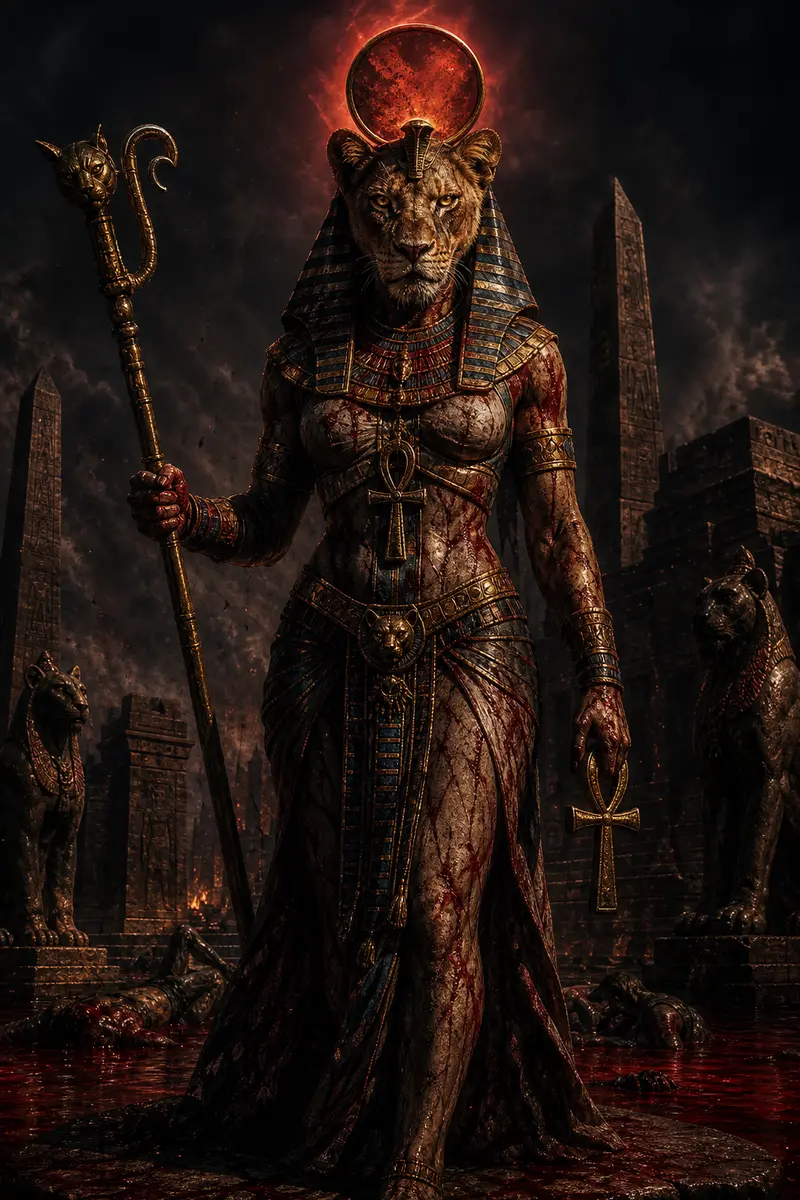
God of War Laufey: who Laufey, Sekhmet and Begtse really are
The 2027 game sets Kratos' wife against the Egyptian and Mongolian gods of war. All three exist in the myths, and one of them changed religion.
The curse of Thebes: three generations that destroy themselves
Laius, Oedipus, Jocasta, Antigone, Ismene, Polynices, Eteocles and Creon: who is who in Greek mythology's most cursed family, and the order in which it collapses.
Sinon: the man who talked Troy into taking the horse
The horse did not walk in by itself. It took a spy who let himself be captured and told a perfect lie, and two people who warned and were not believed.
The suitors in the Odyssey: who were Antinous, Eurymachus and Amphinomus
A hundred and eight men eating the house of a man they believe dead. Who the three that matter are, what exactly they do, and why only one of them gets a warning.
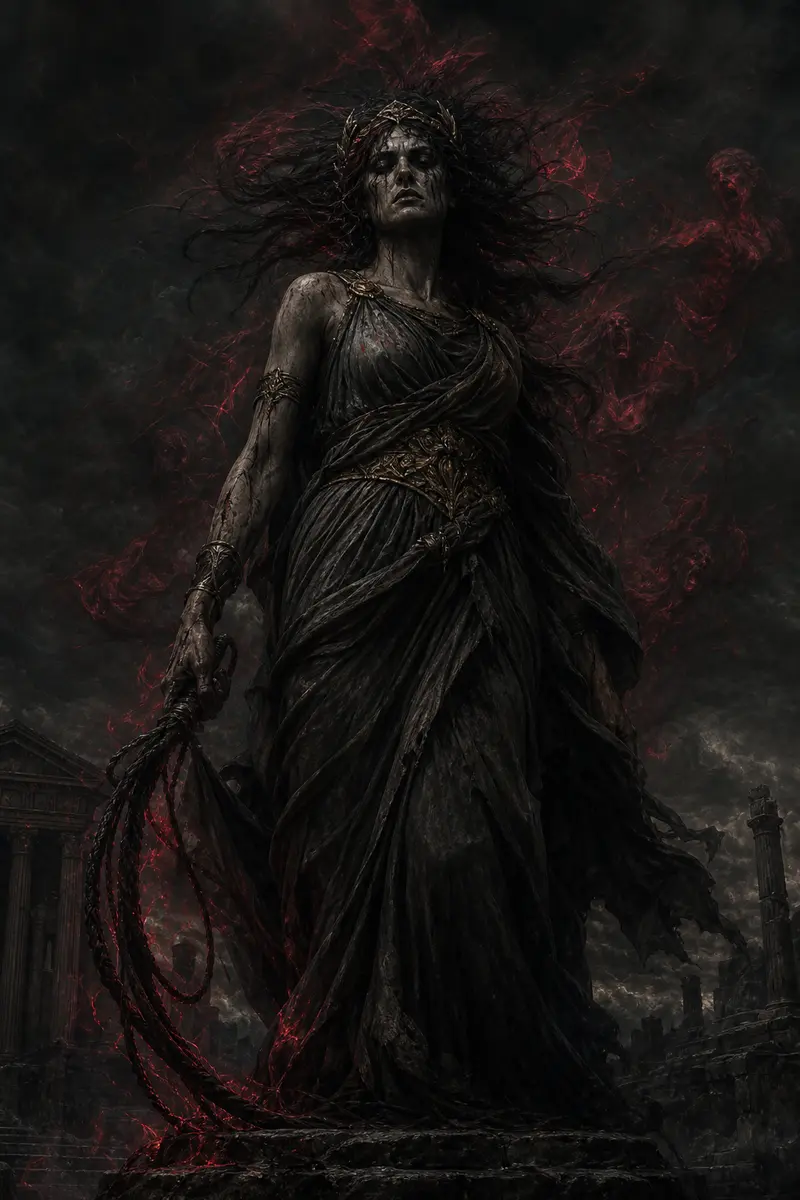
The three Furies: Alecto, Megaera and Tisiphone, and what each one punishes
Born from the blood of a castrated god, they chase one kind of crime and accept no apology. Who is who, and why they end up changing their name.
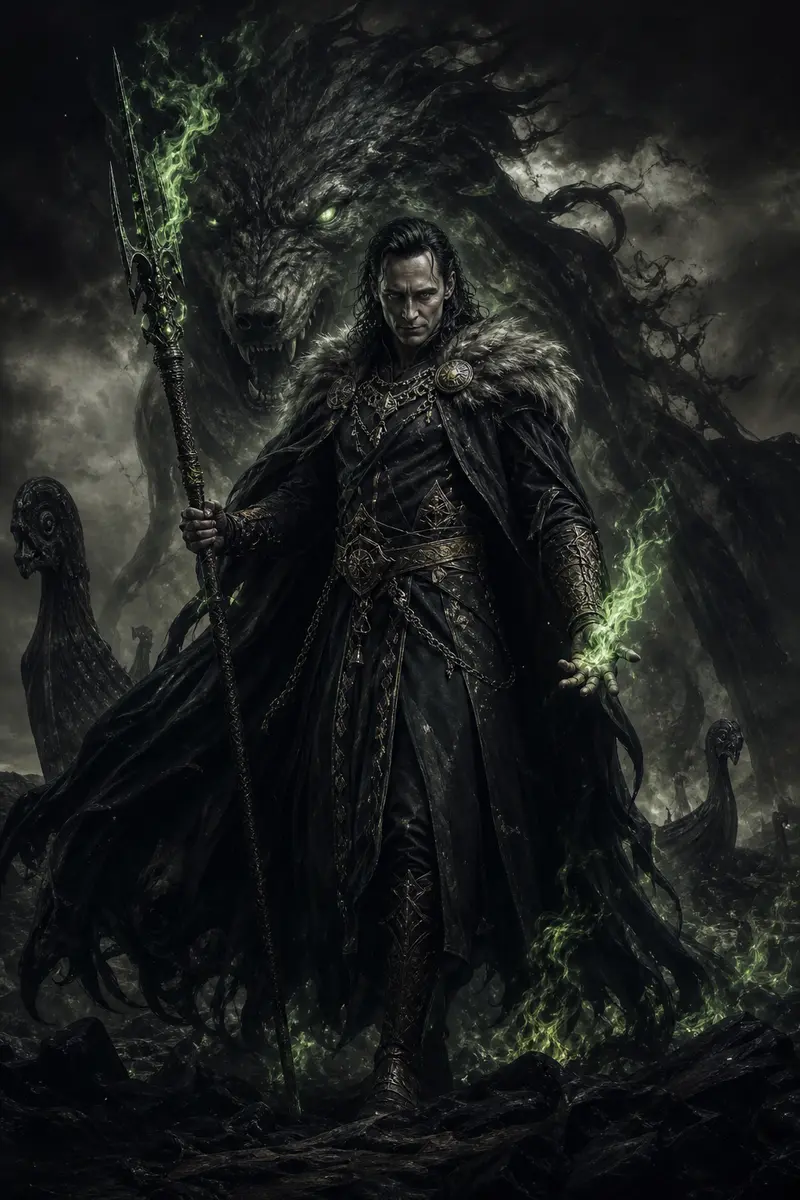
The children of Loki: a wolf, a serpent and the queen of the dead
Loki's children: Fenrir, Jormungandr and Hel by the giantess Angrboda, plus Sleipnir, whom Loki bore himself. Who they are and their part in Ragnarok.
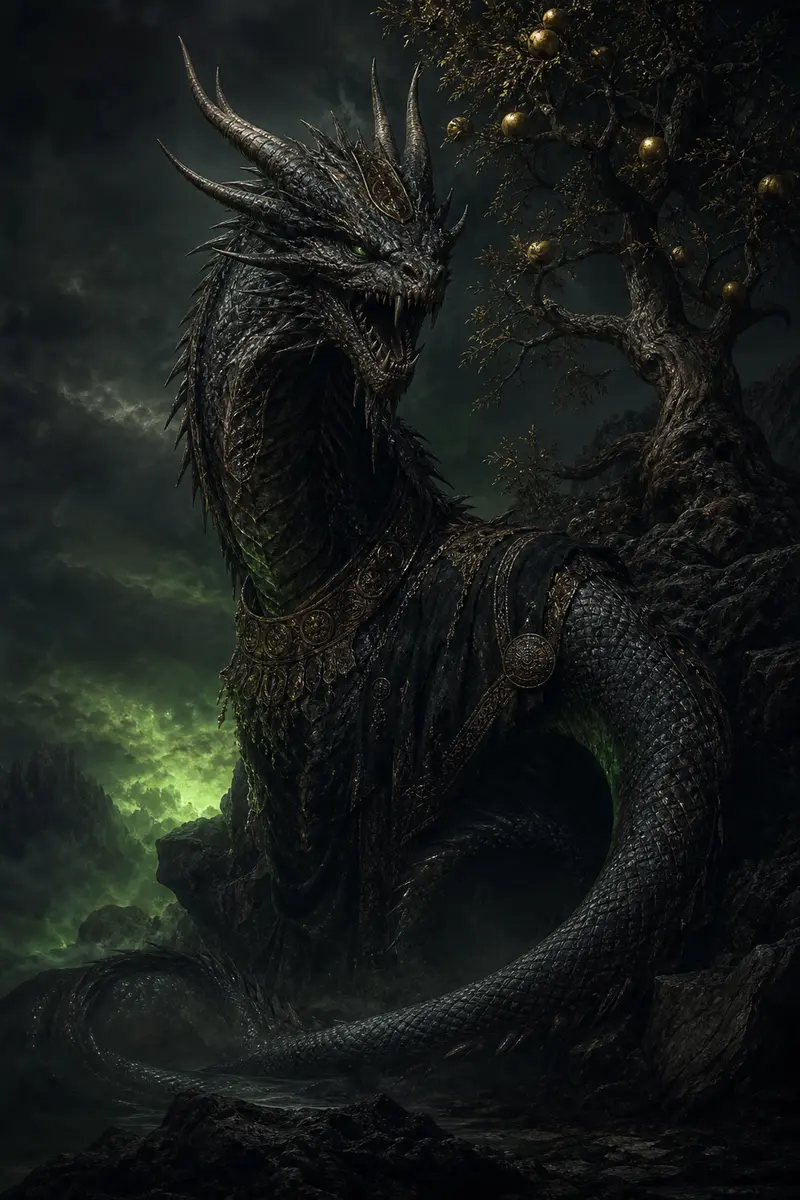
The Garden of the Hesperides: the golden apples at the end of the world
Where the Garden of the Hesperides was, who the Hesperides and Ladon were, and how Heracles won the golden apples by talking Atlas into a trade.
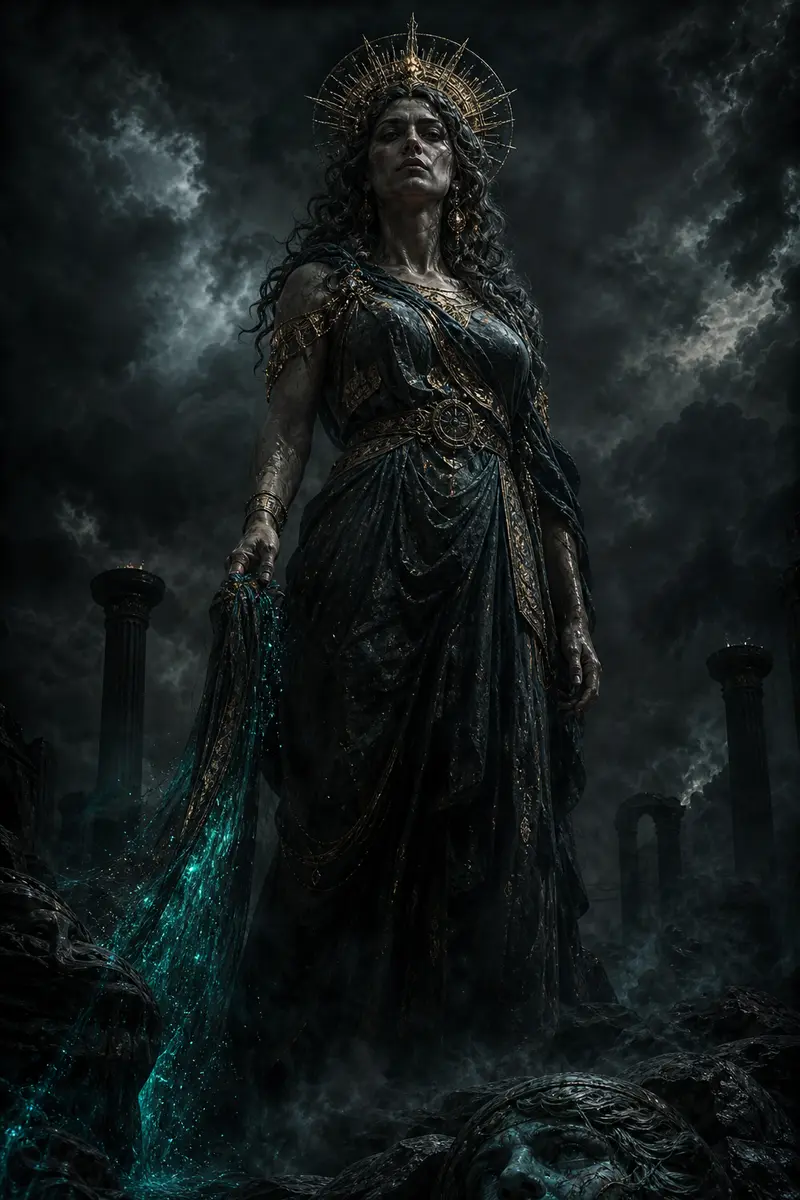
The mother of Zeus: how Rhea saved one child from her husband
Rhea is the mother of Zeus. Cronus swallowed her first five children, so she gave birth in secret on Crete and handed him a stone in swaddling clothes.
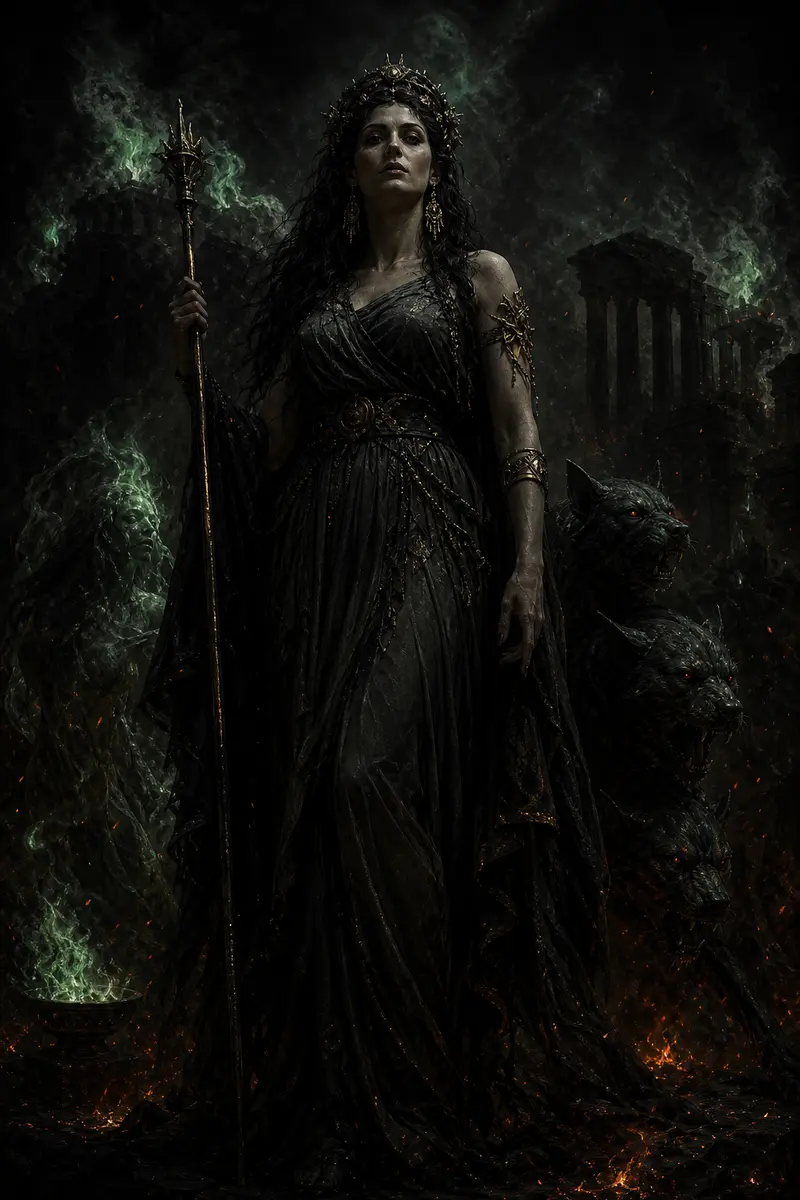
The wife of Hades: how Persephone became queen of the dead
Persephone is the wife of Hades and queen of the underworld. The abduction, Demeter's grief, the pomegranate seeds, and the power she actually held.
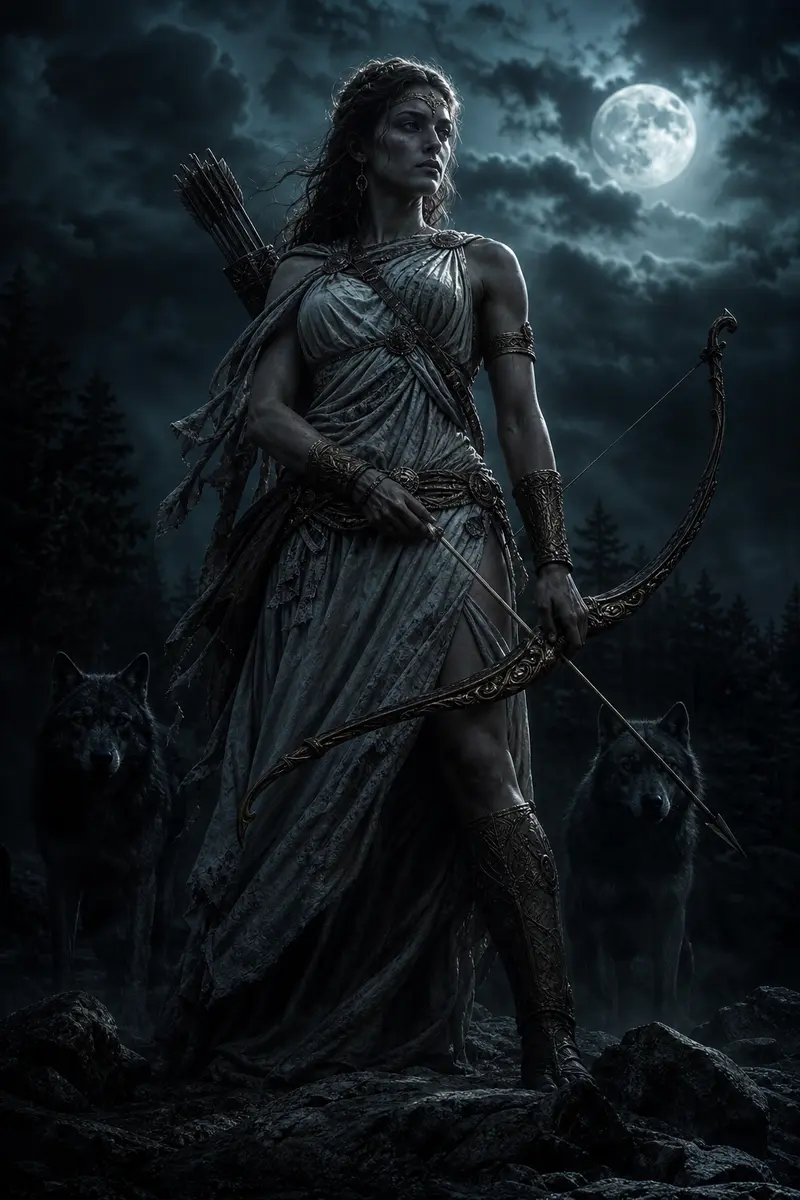
Artemis and her Hunters: the goddess who never forgave a trespass
Artemis, her childhood vow and her Hunters, what she did to Actaeon, Callisto, Niobe and Agamemnon, the truth about Orion, and what Atlas really holds up.
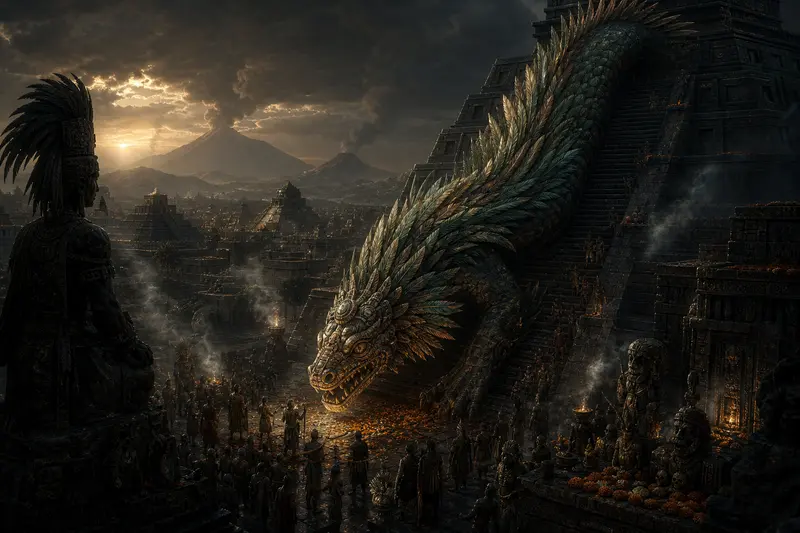
Aztec mythology, explained: the five suns, the feathered serpent and a universe that has to be fed
A beginner's guide to Aztec myth: the five suns, Quetzalcoatl and Tezcatlipoca, Huitzilopochtli's eagle, the nine levels of Mictlan and the logic of sacrifice.
The best mythology books, by what you actually want from them
A bookseller's guide to mythology books sorted by need: primary sources, one-volume overviews, novels and books for children, with honest caveats.
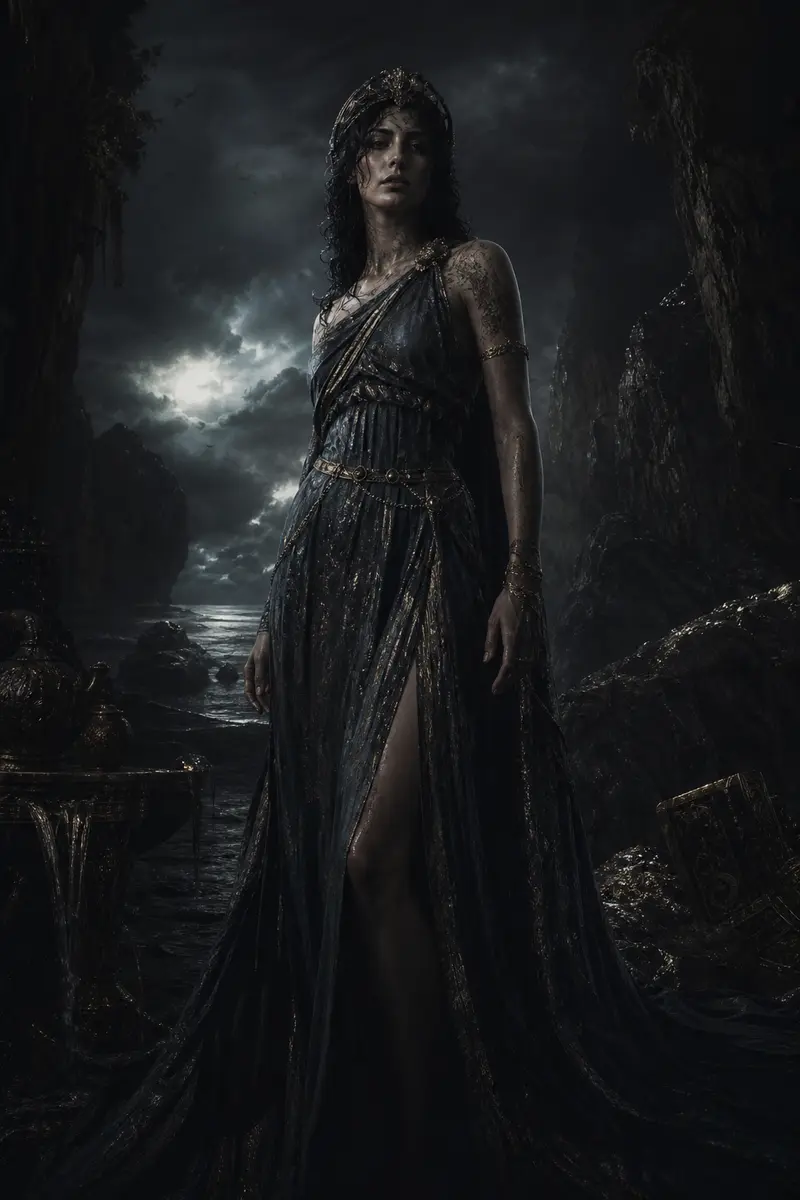
Calypso: the goddess who offered immortality and was refused
Who Calypso is, the seven years she kept Odysseus on Ogygia, why he turned down eternal life, and what her name actually means.
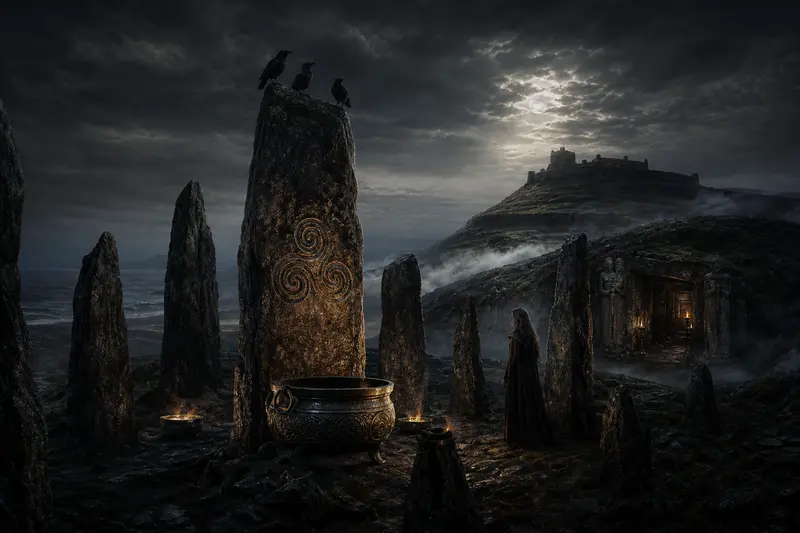
Celtic mythology, explained: the Tuatha De Danann, the Otherworld and what we actually know
A beginner's guide to Celtic myth: the Tuatha De Danann, the Morrigan, Cu Chulainn, the Welsh Mabinogi, the Otherworld and where Halloween really came from.
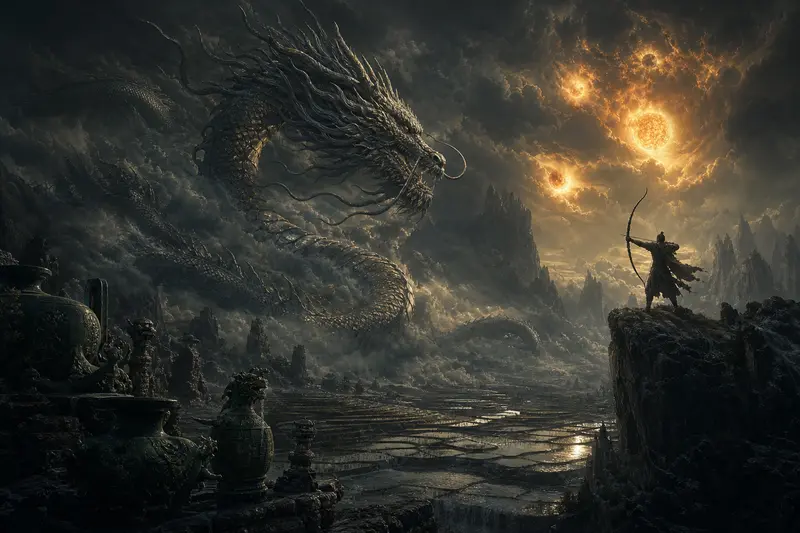
Chinese mythology, explained: creation, the ten suns, and the gods you already half-know
Pangu, Nuwa, the ten suns and Hou Yi, Chang'e and the moon, the Jade Emperor's celestial bureaucracy and the Monkey King: a beginner's guide to Chinese myth.
Día de Muertos and Mictlan: the nine levels the dead had to cross
The nine levels of Mictlan, the dog that carries you over the water, why there was no moral judgement, and how today's Day of the Dead came together.
Where Halloween really comes from: Samhain, the dead, and 2,000 years of borrowing
Halloween's real history: the Gaelic festival of Samhain, the Christian All Hallows' Eve, Irish emigration, and which parts we can actually prove.
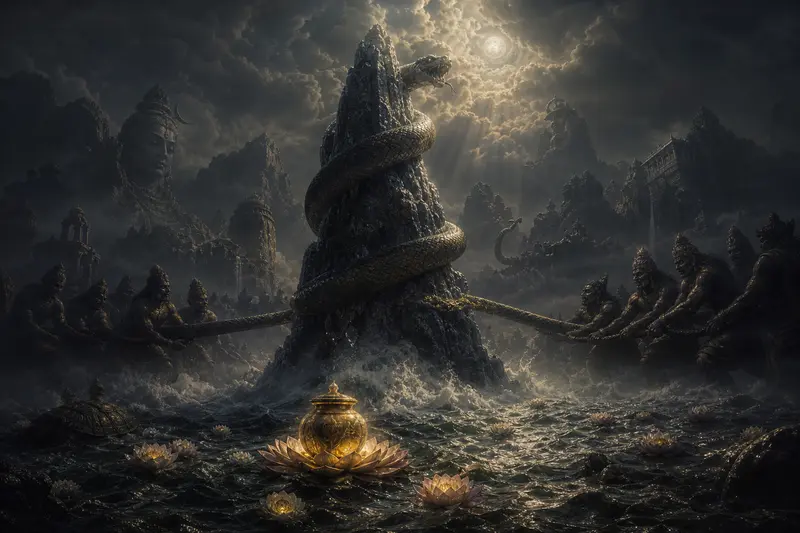
Hindu mythology, explained: the gods, the epics and where to start
The Trimurti, the avatars of Vishnu, Durga and Kali, Ganesha and Hanuman, the two great epics and the yugas: a respectful beginner's guide.

Japanese mythology, explained: the gods, the myths and where to start
Amaterasu, Susanoo, Izanagi and Izanami, Inari and the foxes: a beginner's guide to the kami and to the two books that carry their stories.
Erysichthon and Mestra: the man cursed with a hunger that ate everything
Demeter cursed a king with endless hunger. He ate his fortune, then sold his shape-shifting daughter Mestra again and again, then ate himself.
15 mythological places you can actually visit (and what happened there)
Real, visitable sites tied to famous myths: Delphi, Olympus, Knossos, Karnak, Newgrange, Thingvellir and more, with what is history and what is legend.
The pagan origins of Christmas: what it really borrowed from Saturnalia, Yule and the solstice
An honest look at Christmas and paganism: Saturnalia, Yule, Sol Invictus, mistletoe and Santa, with a verdict on what the evidence actually supports.
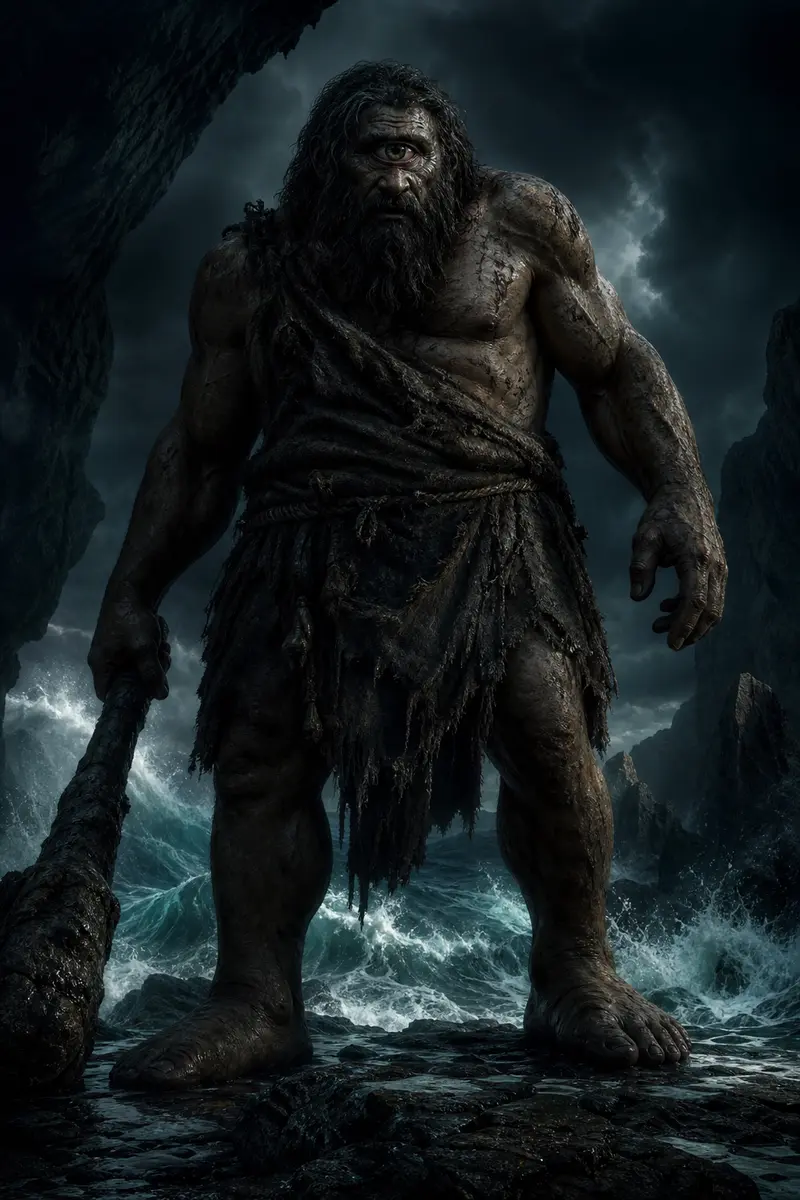
Polyphemus: the cyclops who lost an eye to a man called Nobody
Who Polyphemus is, how Odysseus blinded him with wine and an olive stake, why one shouted name doomed the voyage home, and his hopeless love for Galatea.
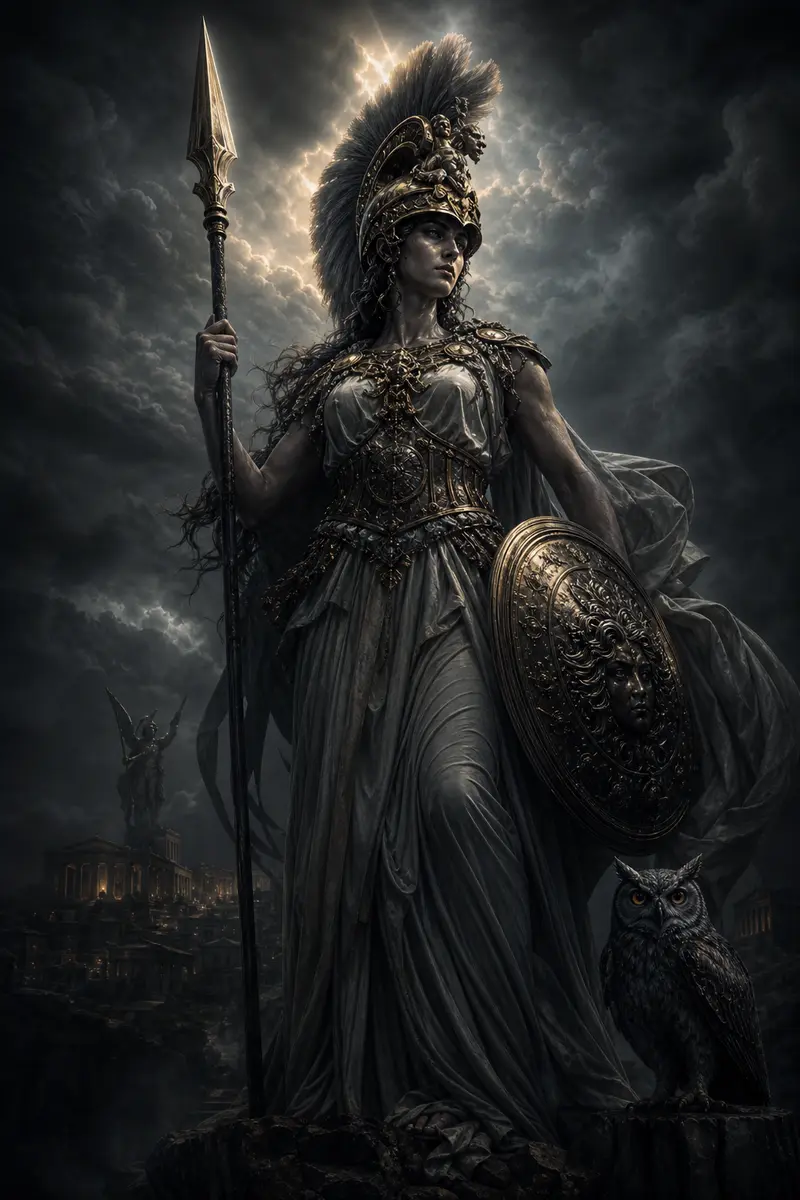
Saint Seiya at 40: how much real Greek mythology is in the Knights of the Zodiac?
Athena, Hades, Poseidon, the twelve zodiac houses and the three judges of the dead: what the anime took from the Greek sources, and what it invented.
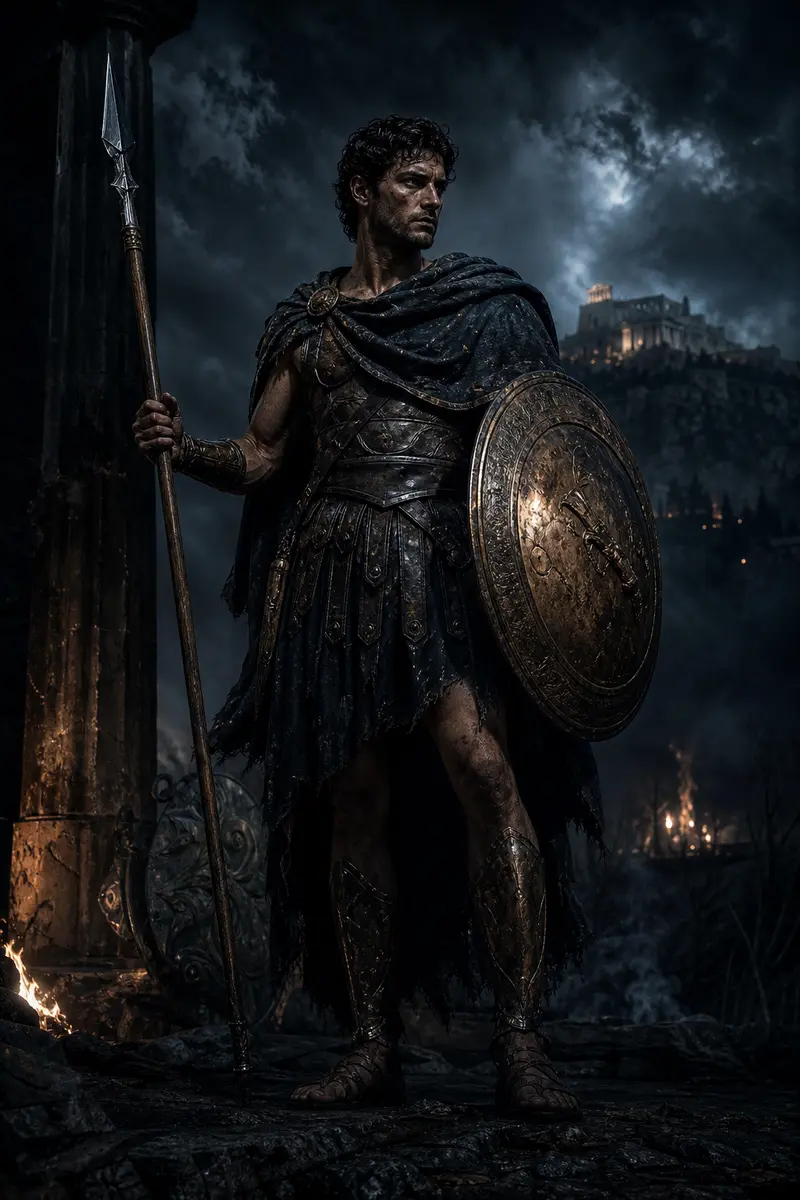
Telemachus: the son who had to become someone before his father came home
Who Telemachus was, why the Odyssey opens with him instead of Odysseus, and how the first four books turn a powerless boy into a man.
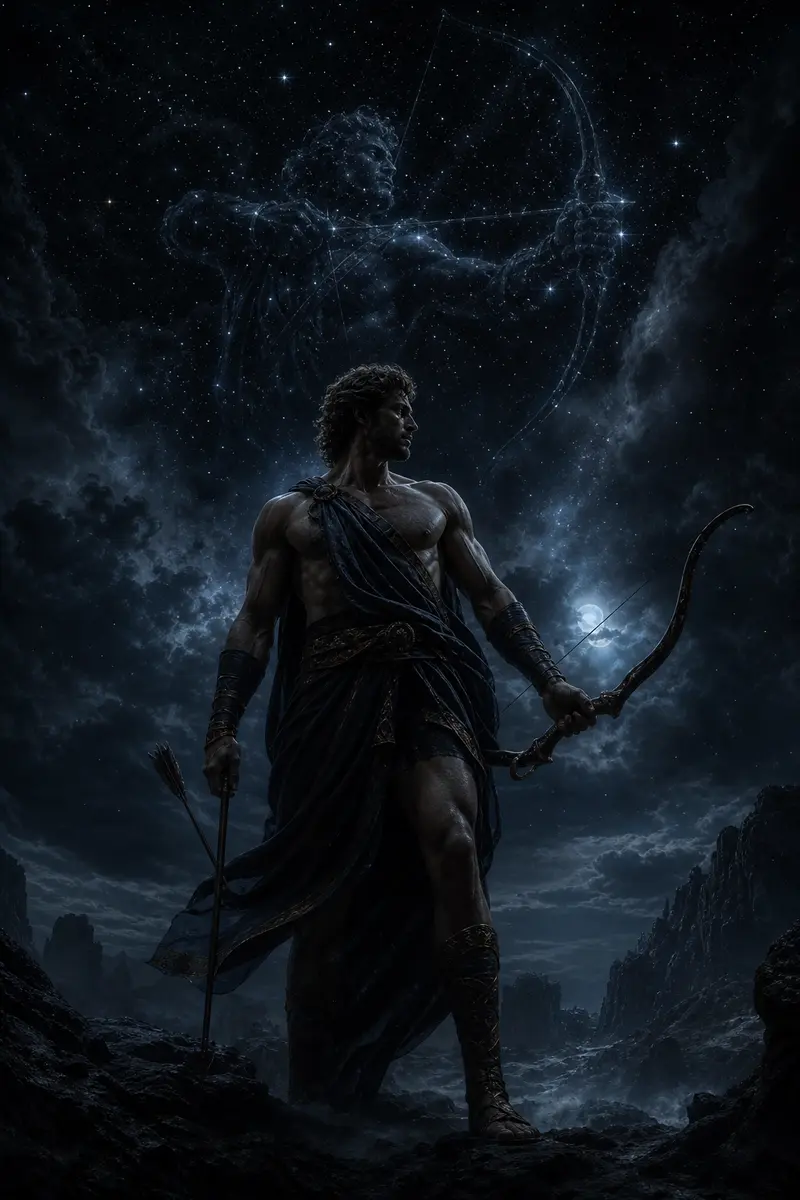
15 constellations and the Greek myths behind them: who they were before the stars
Orion, Ursa Major, Cassiopeia, Draco and 11 more: who they were before the gods put them up there, and why some of them can never meet.
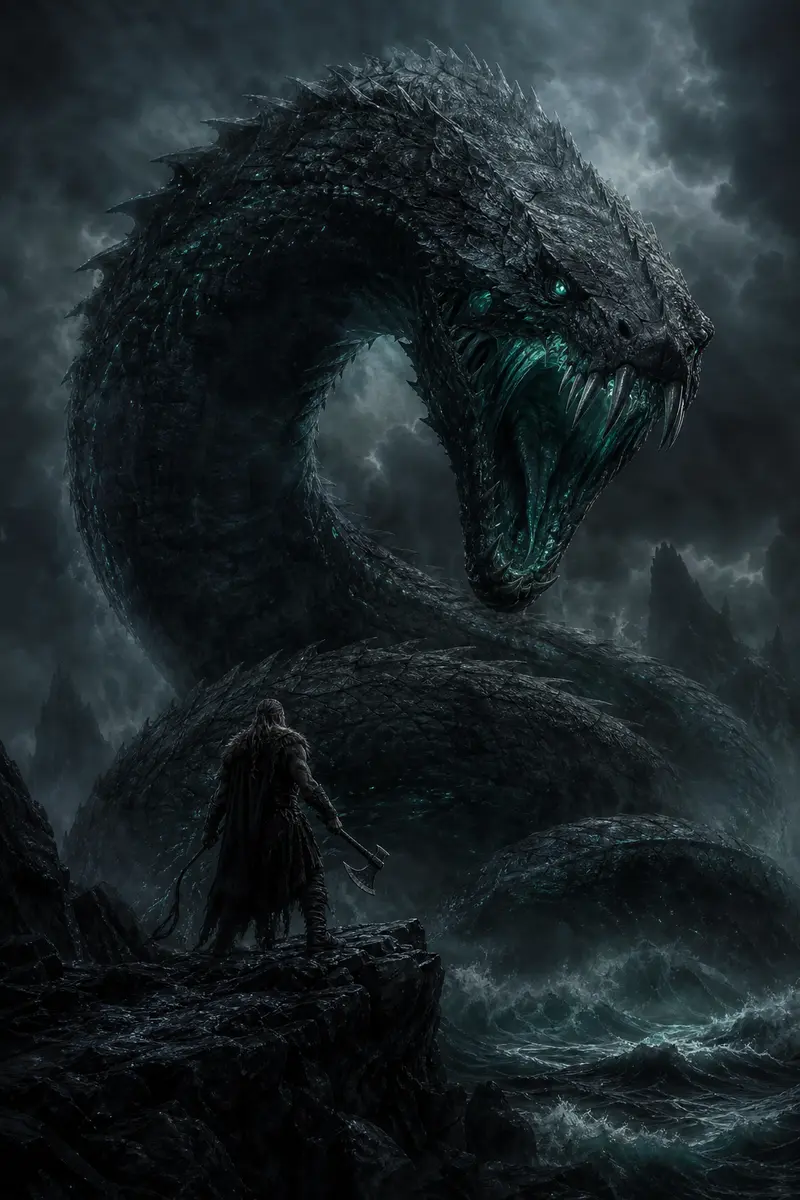
Dragons in mythology: 14 famous dragons and what they mean
Jormungandr, Fafnir, Tiamat, Apep, the Chinese long, Yamata no Orochi, Quetzalcoatl and more: 14 dragons of world mythology and what each one stands for.
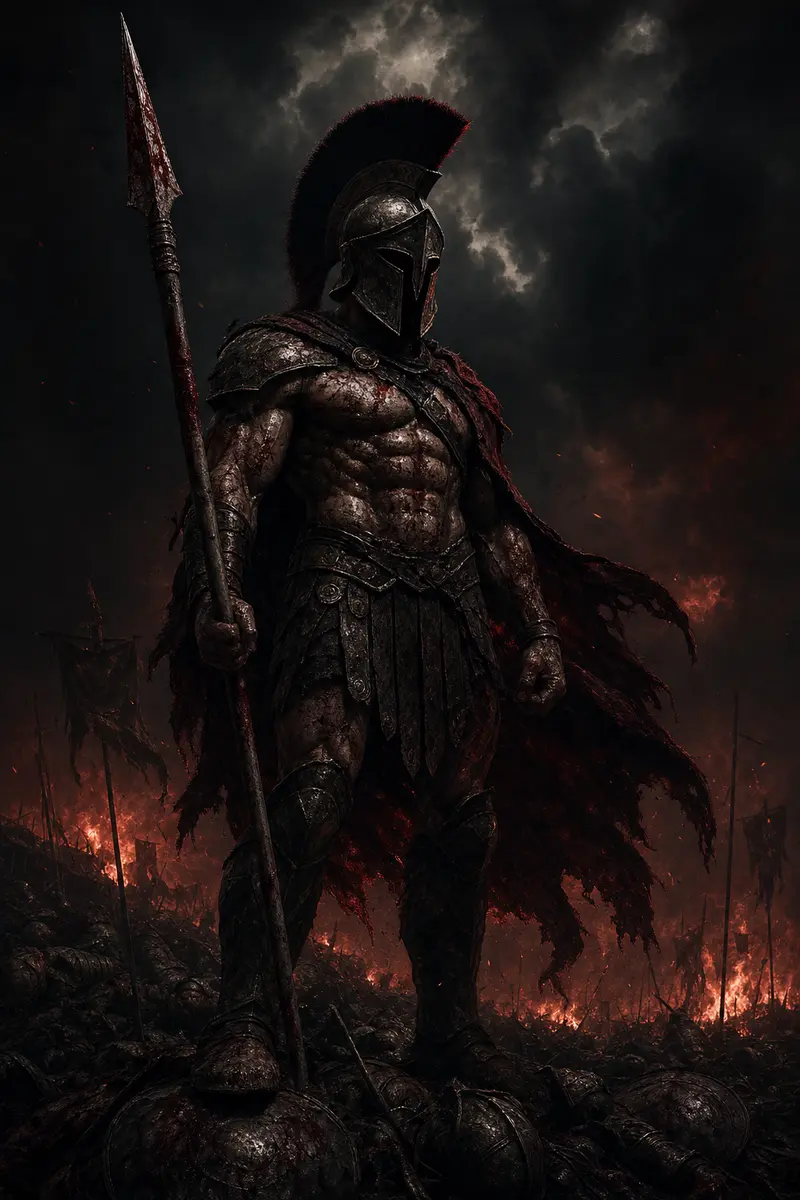
God of War vs Real Mythology: What the Games Got Right, Wrong, and Brilliantly Changed
Kratos, Ares, Pandora's box, Atreus as Loki, Baldur and Ragnarok: a myth by myth breakdown of the God of War games, with a verdict on each.
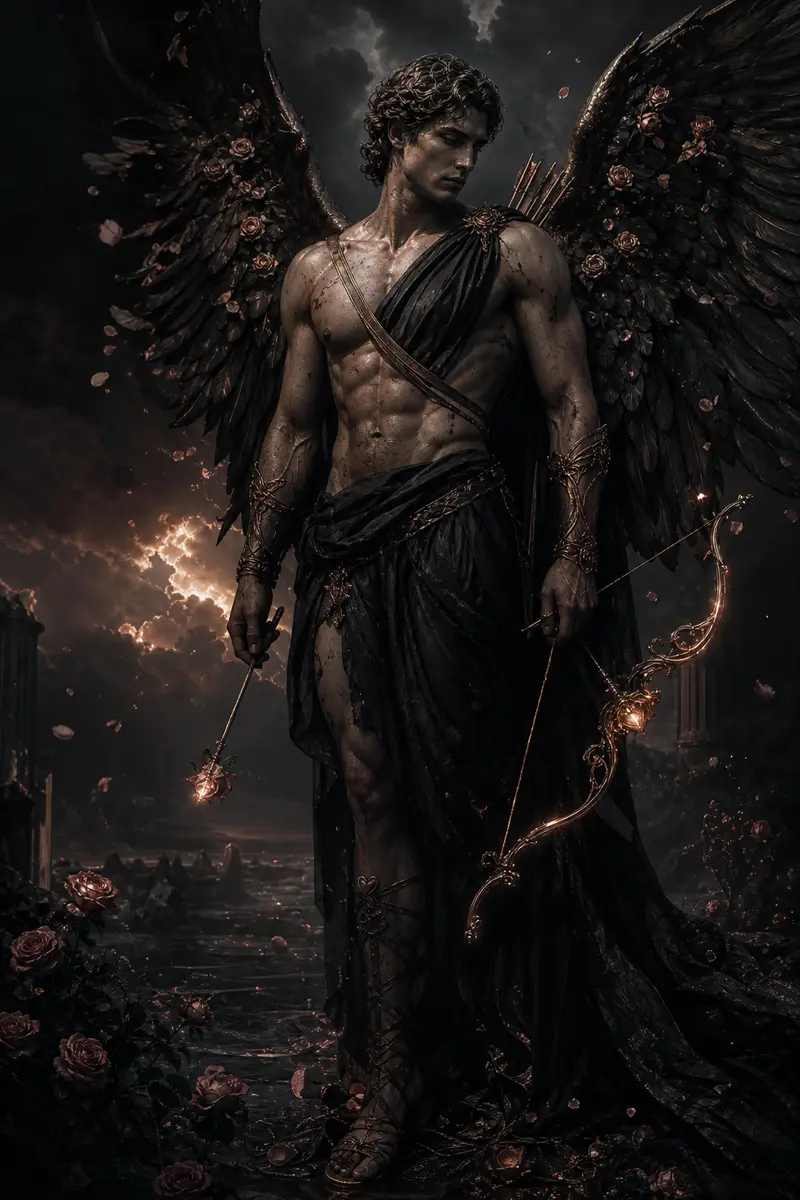
12 mythological love stories, ranked from sweetest to most devastating
Twelve great love stories from Greek, Egyptian and Norse myth, ranked from the one happy ending to the one that still hurts, with what actually happens in each.
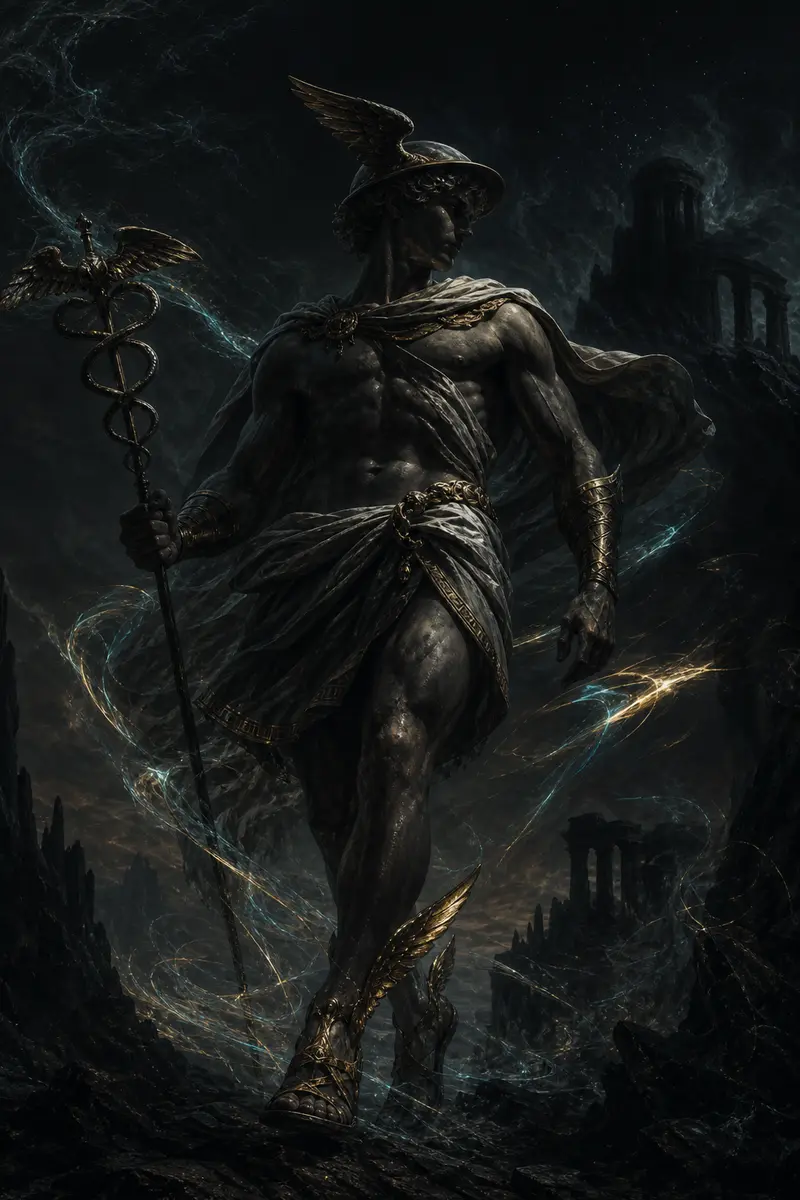
Greek mythology for kids: the 10 myths to start with (and the 4 to save for later)
Which Greek myths work at which age, which ones to hold back and why, plus four practical tips for telling a myth to a child. Written for parents and teachers.
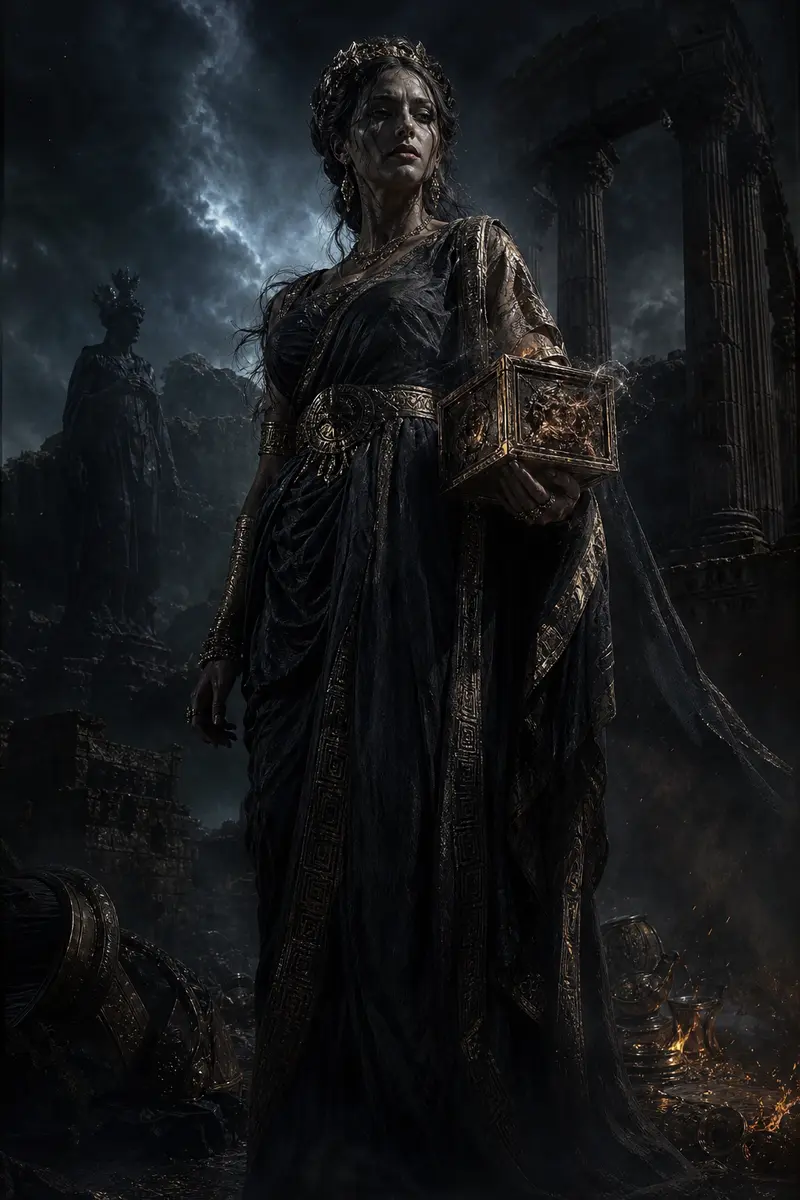
14 expressions you use that come from Greek myth (and the stories behind them)
Achilles' heel, Pandora's box, Trojan horse, sword of Damocles: what each expression means today and the myth it escaped from.
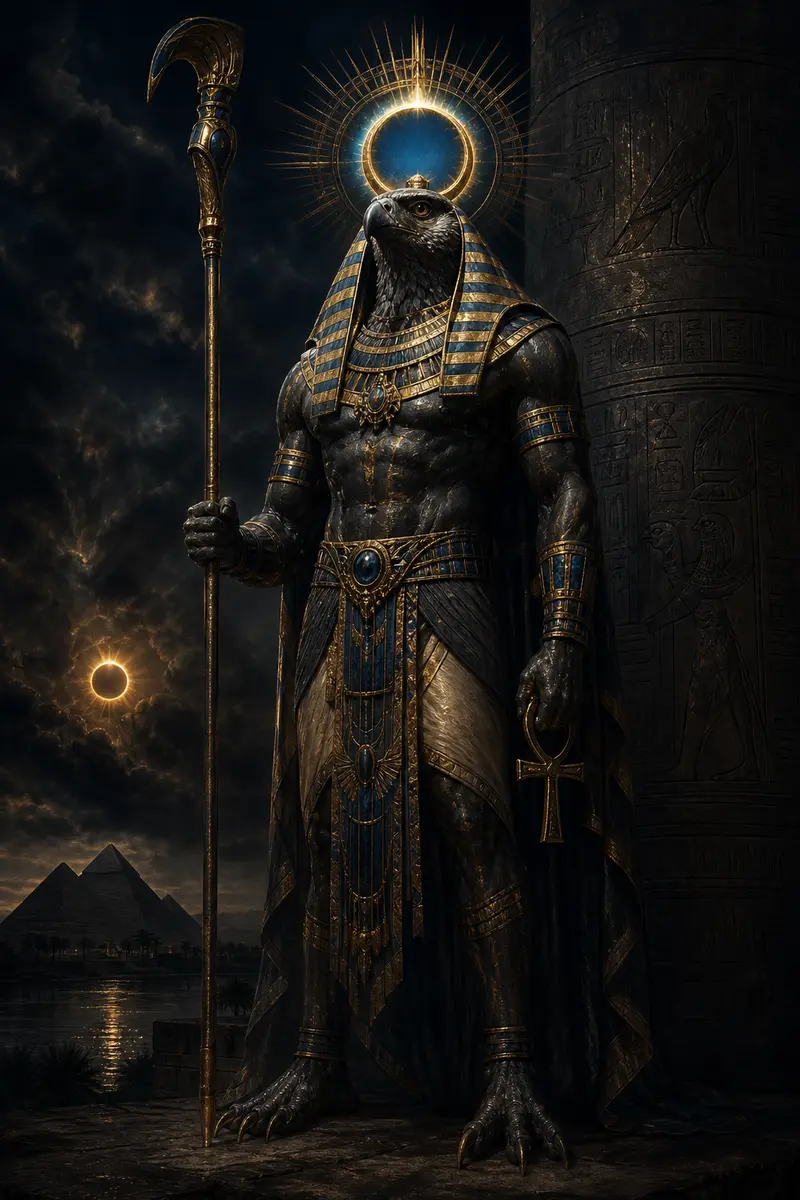
20 mythological symbols and what they really mean
Ankh, Eye of Horus, caduceus, Valknut and 16 more: what each mythological symbol means, where it comes from, and which ones are not as ancient as they look.
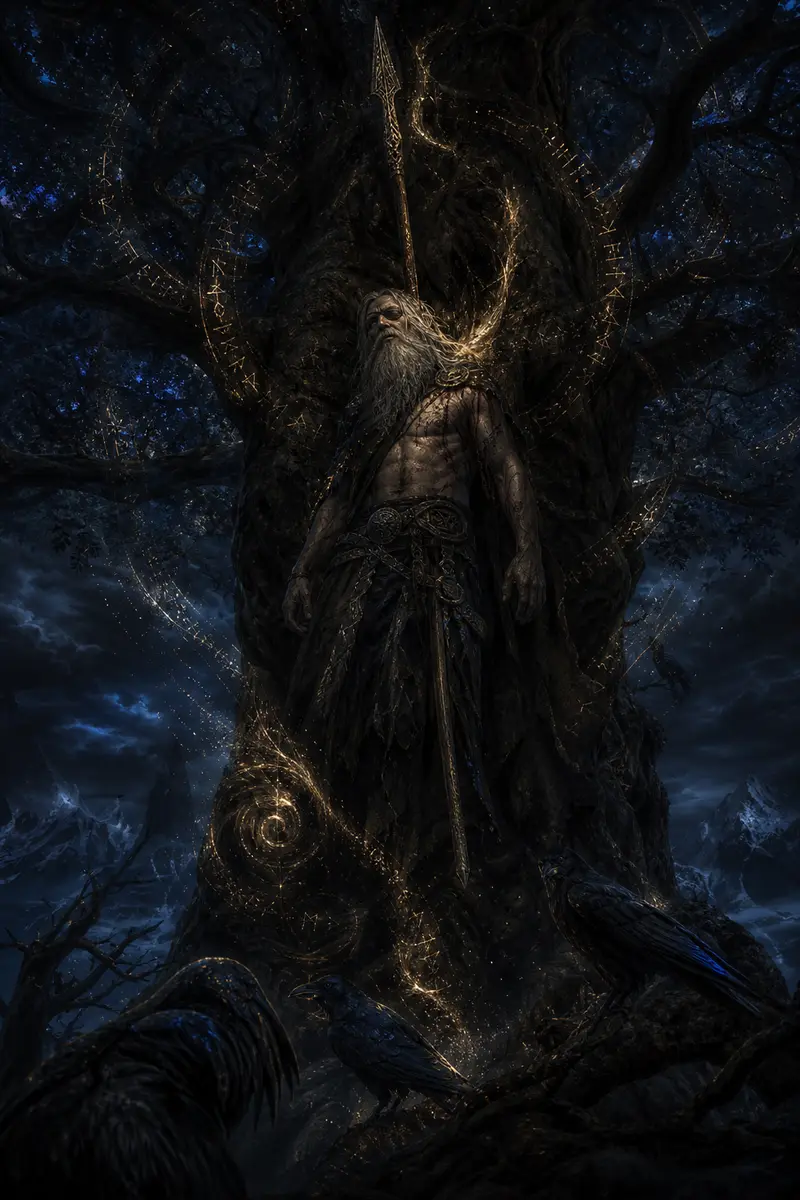
Mythology tattoos and what they actually mean (before you get inked)
Medusa, Icarus, the Valknut, the caduceus: what the most popular mythology tattoos mean today, what they meant originally, and three things to check first.
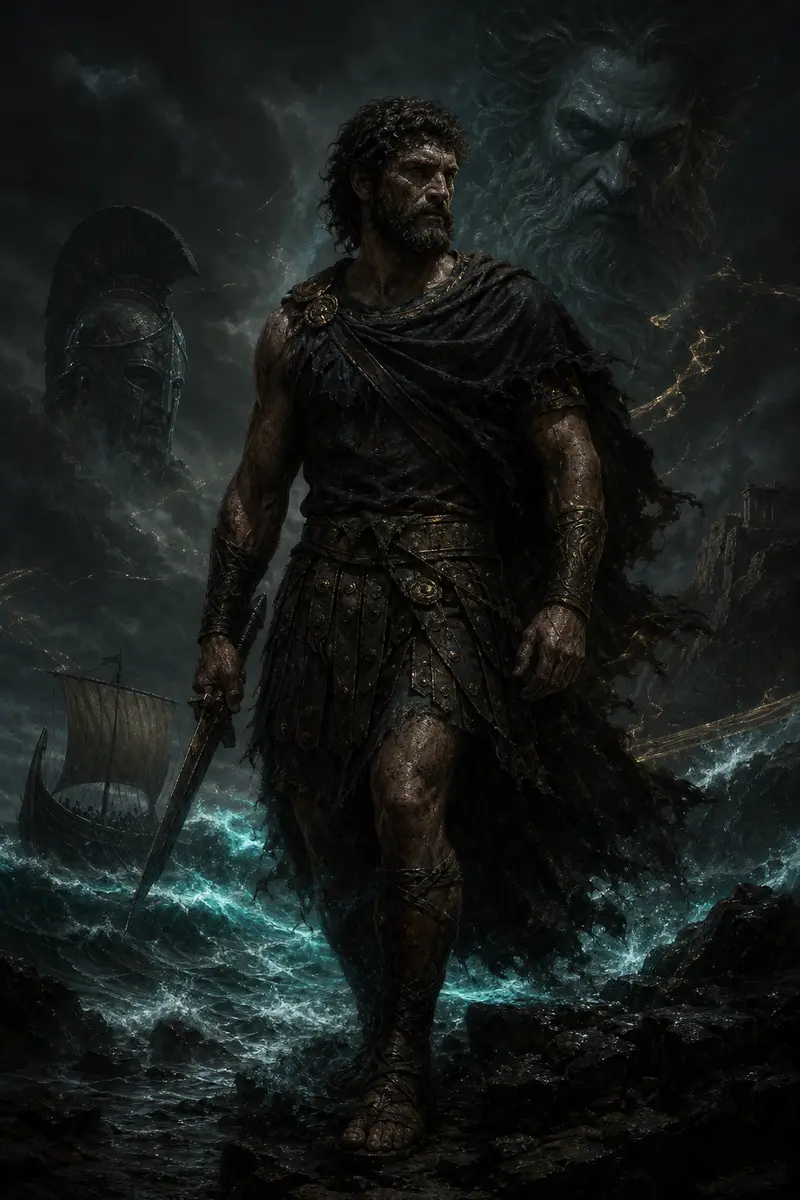
The Odyssey in 10 stops: a beginner's map of the whole journey
Every stop on Odysseus' ten-year voyage home, in order: the cyclops, the bag of winds, Circe, the dead, the Sirens, Calypso and Ithaca.
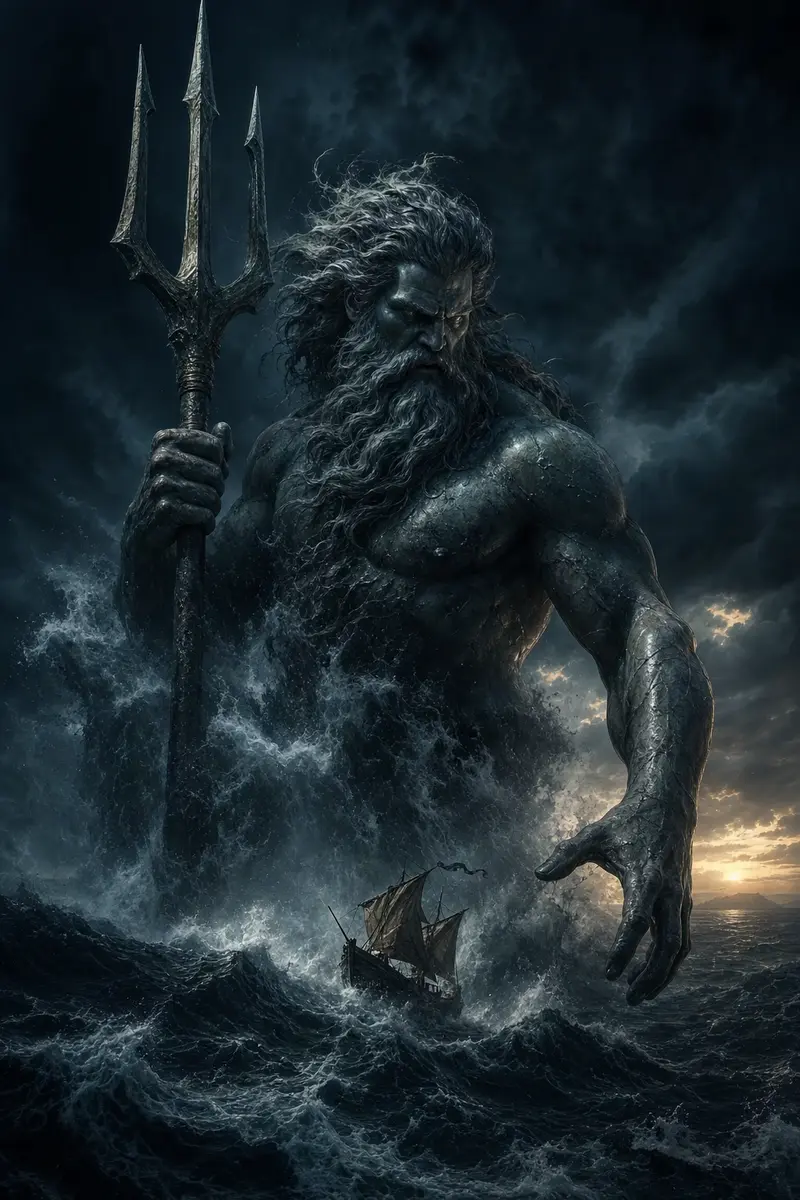
Percy Jackson vs the real myths: what's true and what's invented
Which parts of Percy Jackson come straight from Greek mythology and which ones Rick Riordan made up, sorted line by line with the real sources.
Why every planet and every day of the week is named after a god
The sky is a Roman family reunion, and the week is that same list twice: once in Latin, once in Norse. Both tables, plus who really named Pluto.
25 Everyday Words That Are Secretly Greek Gods
Panic, echo, atlas, cereal, morphine: 25 everyday words that come straight from Greek and Roman myth, with the story behind each one in a line.
Achilles vs Hector: Who Was Really the Better Man?
Achilles vs Hector: the duel at Troy, the chase around the walls, Athena's trick, Priam's ransom, and why Homer let the loser win the humanity contest.
Adonis: the mortal so beautiful two goddesses went to court over him
Who Adonis was, why Aphrodite and Persephone shared custody of him, how a boar killed him, and why his name still means handsome.
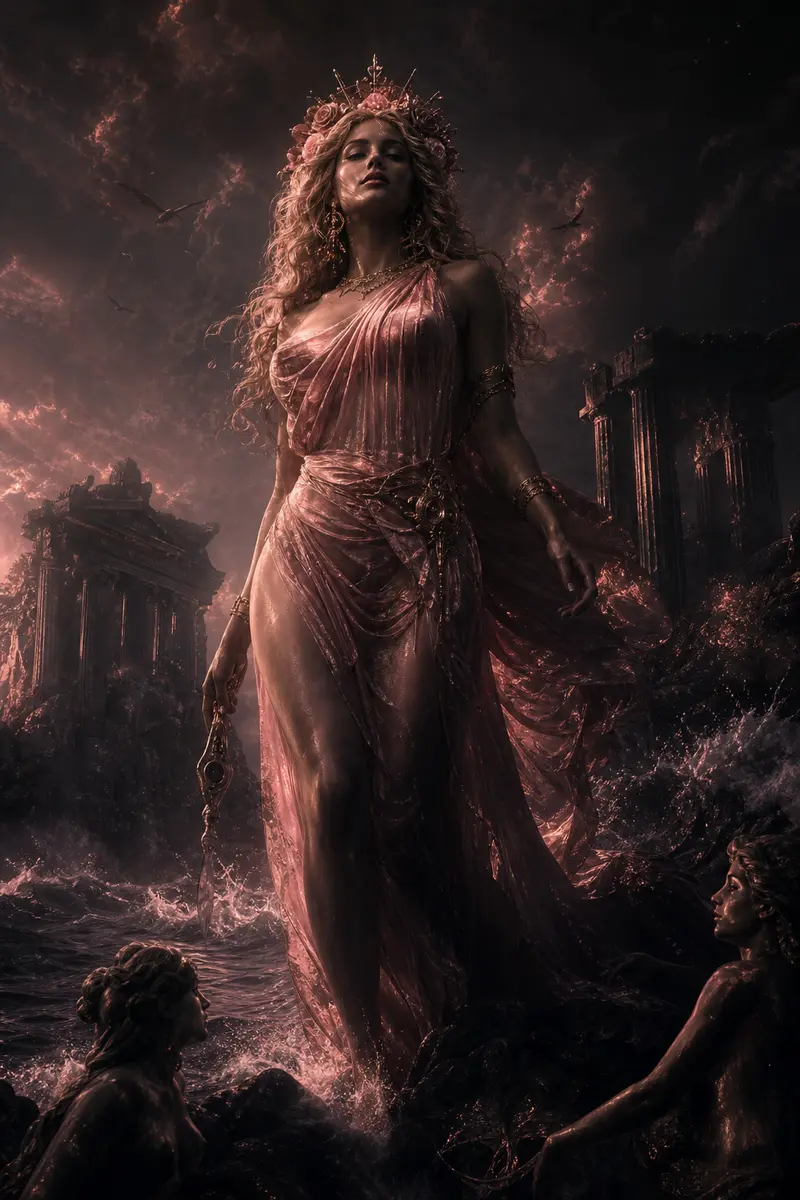
Aphrodite vs Freya: which love goddess would win?
Aphrodite started the Trojan War with one bribe. Freya rules love, war, magic and the dead. Stats, a head-to-head table and a clear verdict.
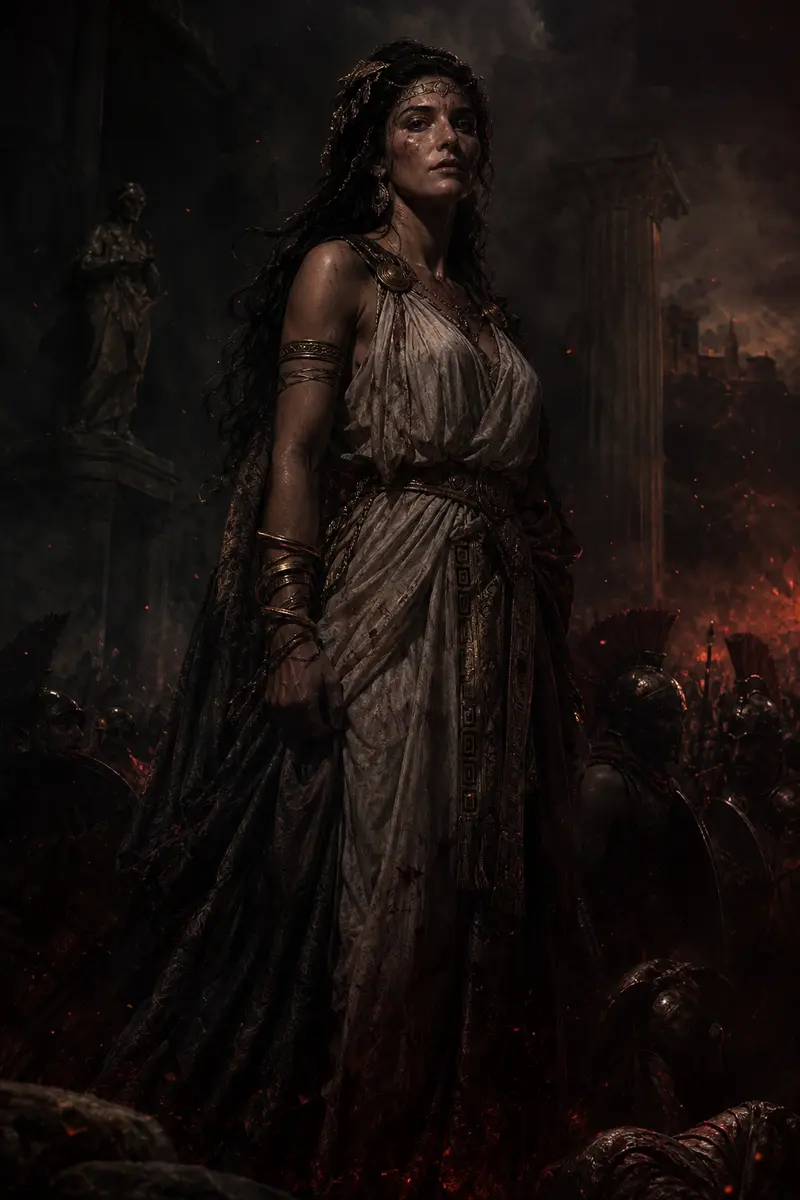
Briseis: the woman who almost cost the Greeks the Trojan War
Agamemnon took Briseis after Apollo's plague forced him to return his own captive, Chryseis. He claimed Achilles' prize instead, and the Iliad begins.
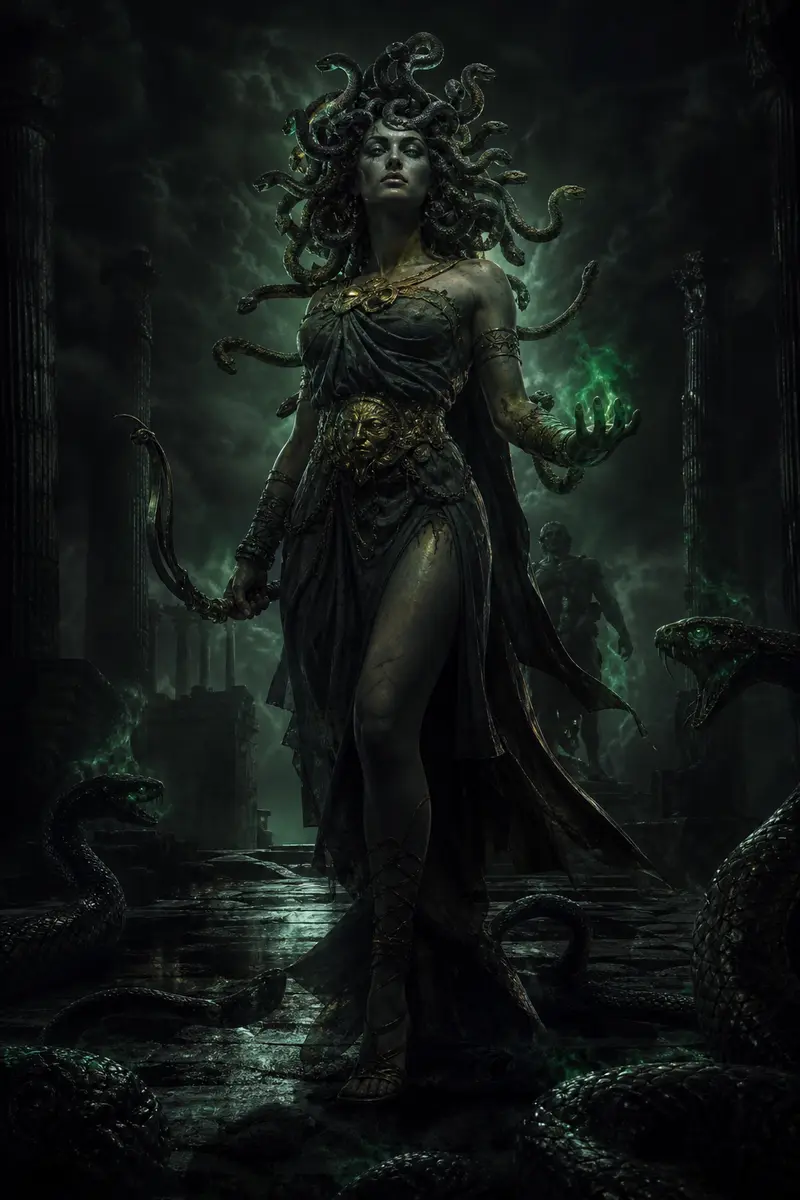
The 12 monsters of Greek mythology, ranked from most to least dangerous
Every major Greek monster ranked: Typhon, Echidna, Scylla and Charybdis, the Hydra, Medusa, Talos and more, plus who finally defeated each one.
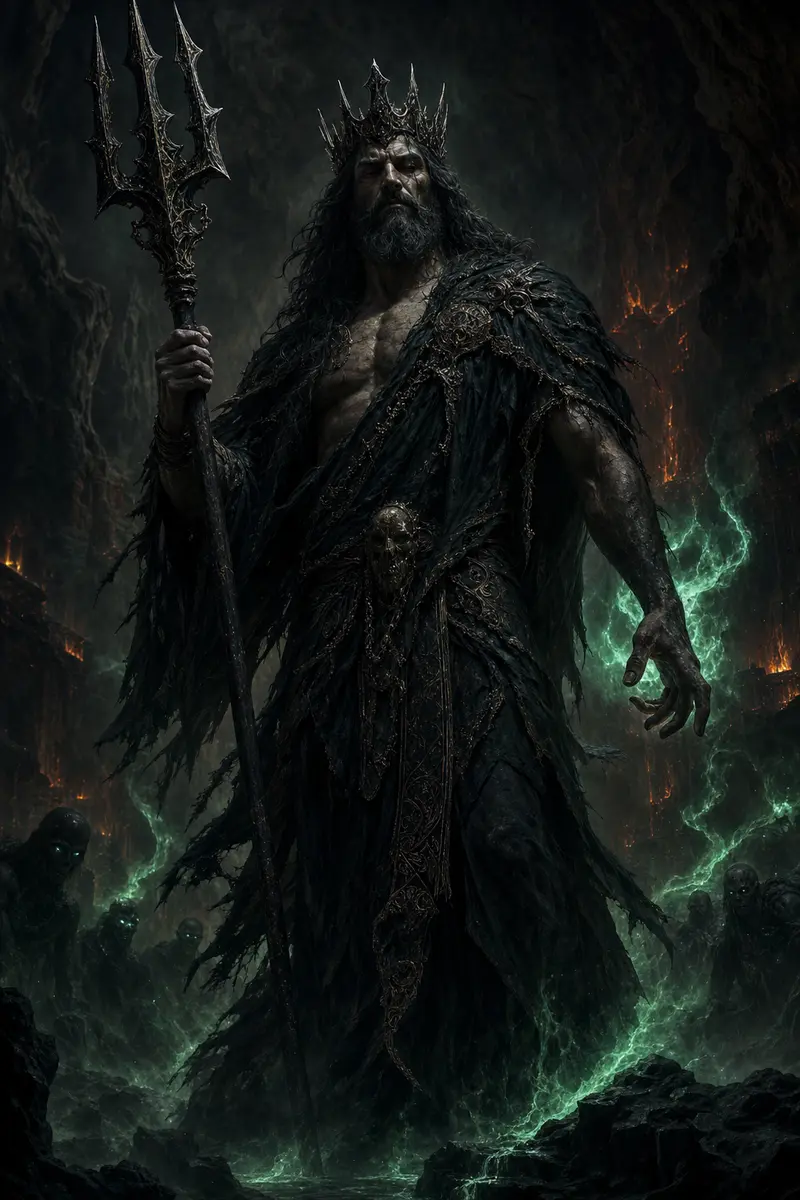
Hades vs Anubis vs Hel: which mythology has the best afterlife boss?
Warden, examiner or exile queen? Hades, Anubis and Hel run death in three totally different ways. We compare realms, rules and personalities.
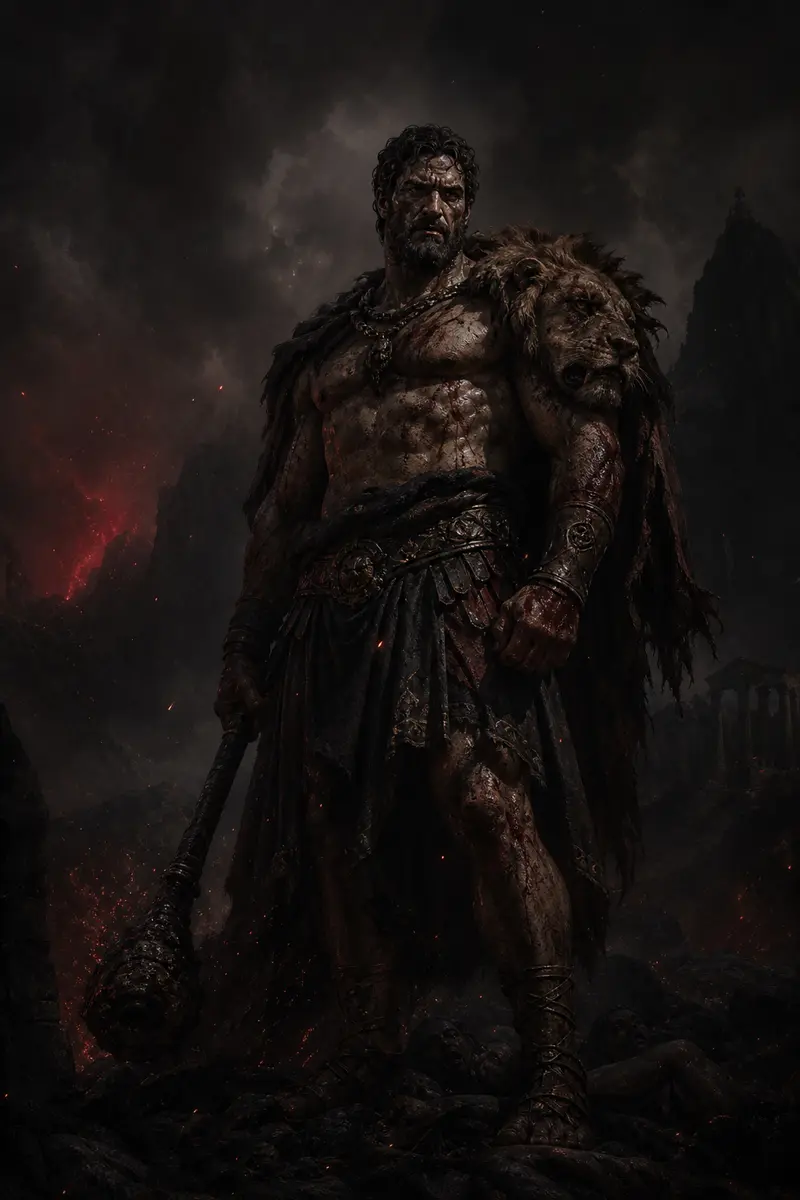
Heracles vs Thor: The Ultimate Strongman Match
Greece's greatest hero against the Norse god of thunder: feats, gear, serpent records, and fatal flaws compared, with a verdict for every scenario.
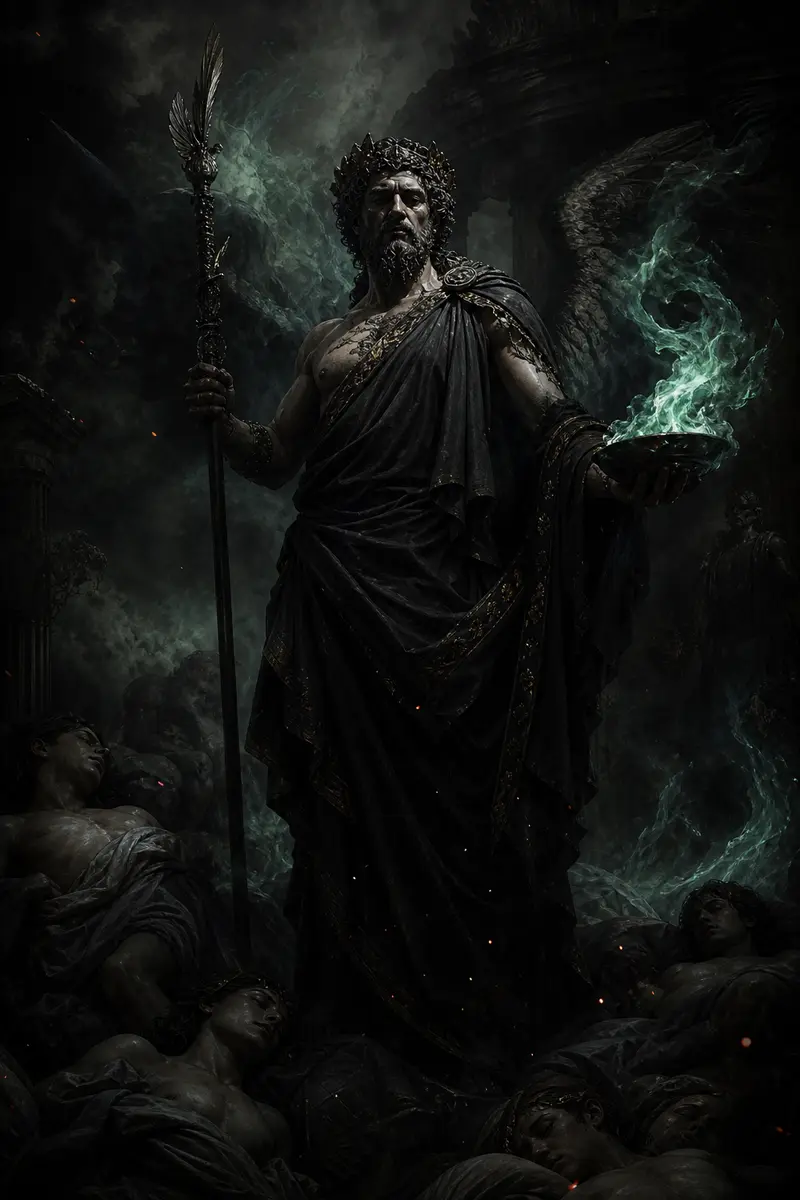
Hypnos: the god of sleep who once knocked out Zeus himself
Who Hypnos is, why he is Death's twin brother, how he put Zeus to sleep twice, and where dreams come from in Greek myth.
40 Mythological Baby Names That Actually Work Today (and the Stories Behind Them)
40 mythological baby names for girls and boys that work today: Luna, Penelope, Atlas, Orion and more, with the story behind each name in one line.
60 mythological pet names for dogs, cats, and everything else
The best mythological dog names, god names for cats, and big flex names for any pet, sorted by personality, each with its real myth attached.
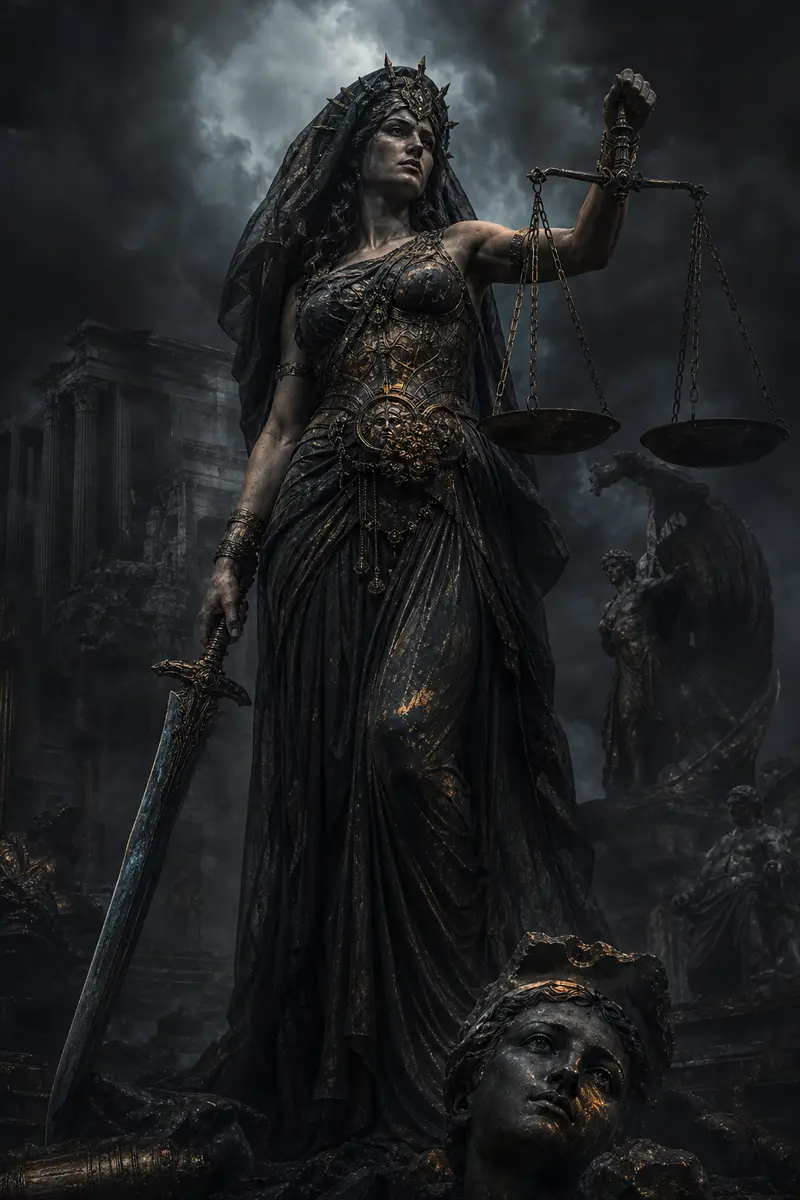
Nemesis: the goddess who punished you for being too lucky
What Nemesis actually punished, why your 'nemesis' comes from her, the Narcissus case, and how she differs from simple revenge.
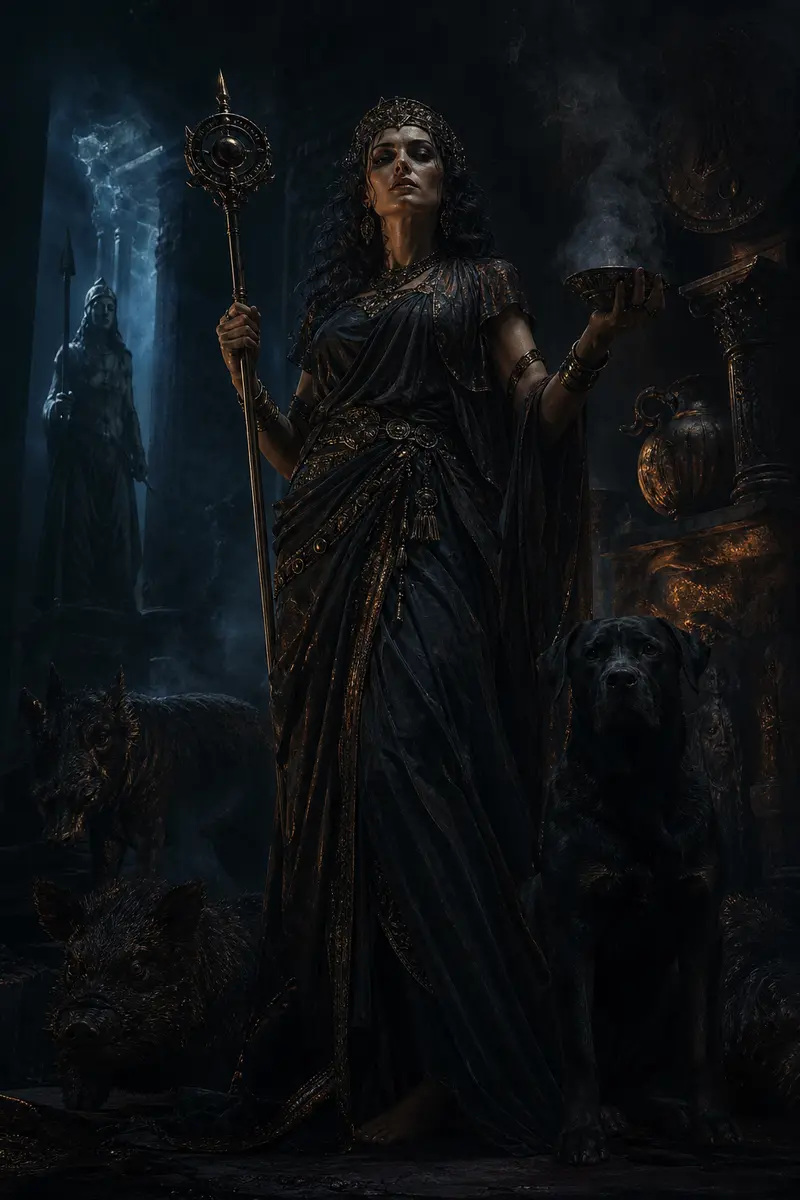
Circe, Calypso and Penelope: the women who really run the Odyssey
Who Circe, Calypso and Penelope were, what each one wanted from Odysseus, and why the smartest player in the poem never left home.
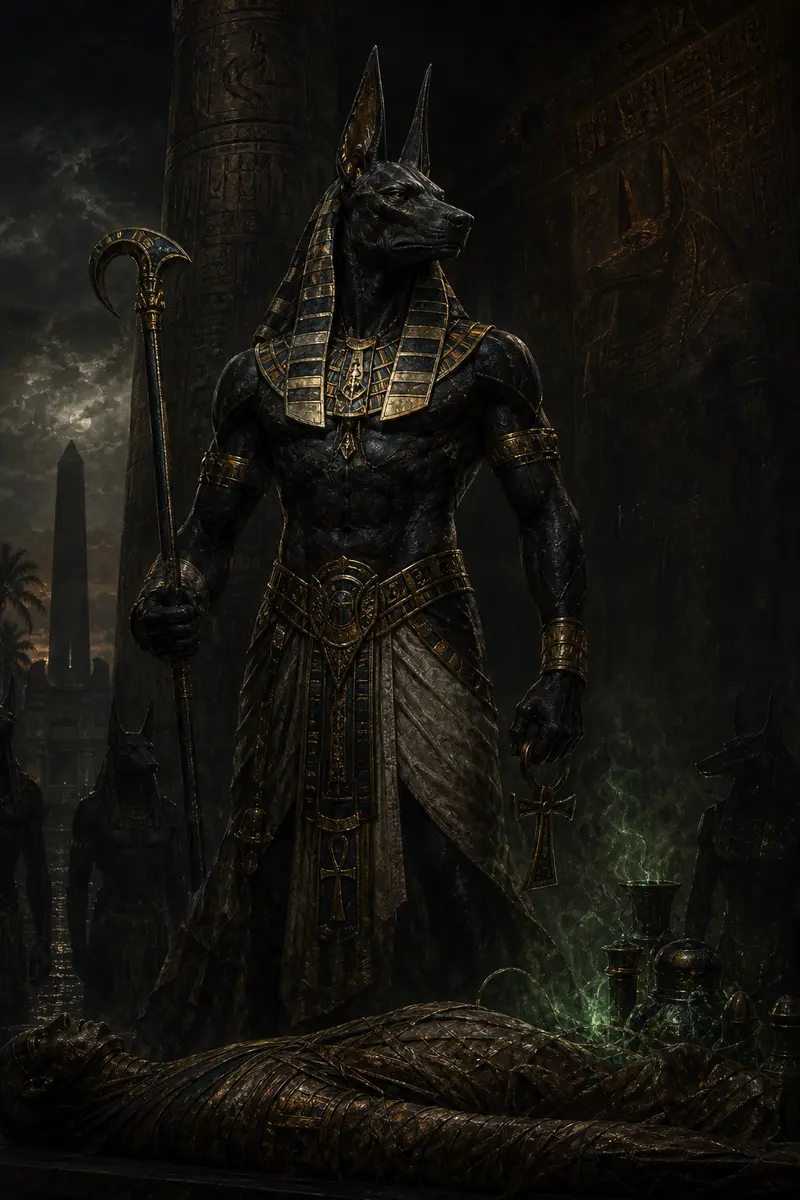
Anubis: what the god of the dead actually did all day
Why Anubis has a jackal head, what the weighing of the heart was, how he lost his top job to Osiris, and why he was never evil.
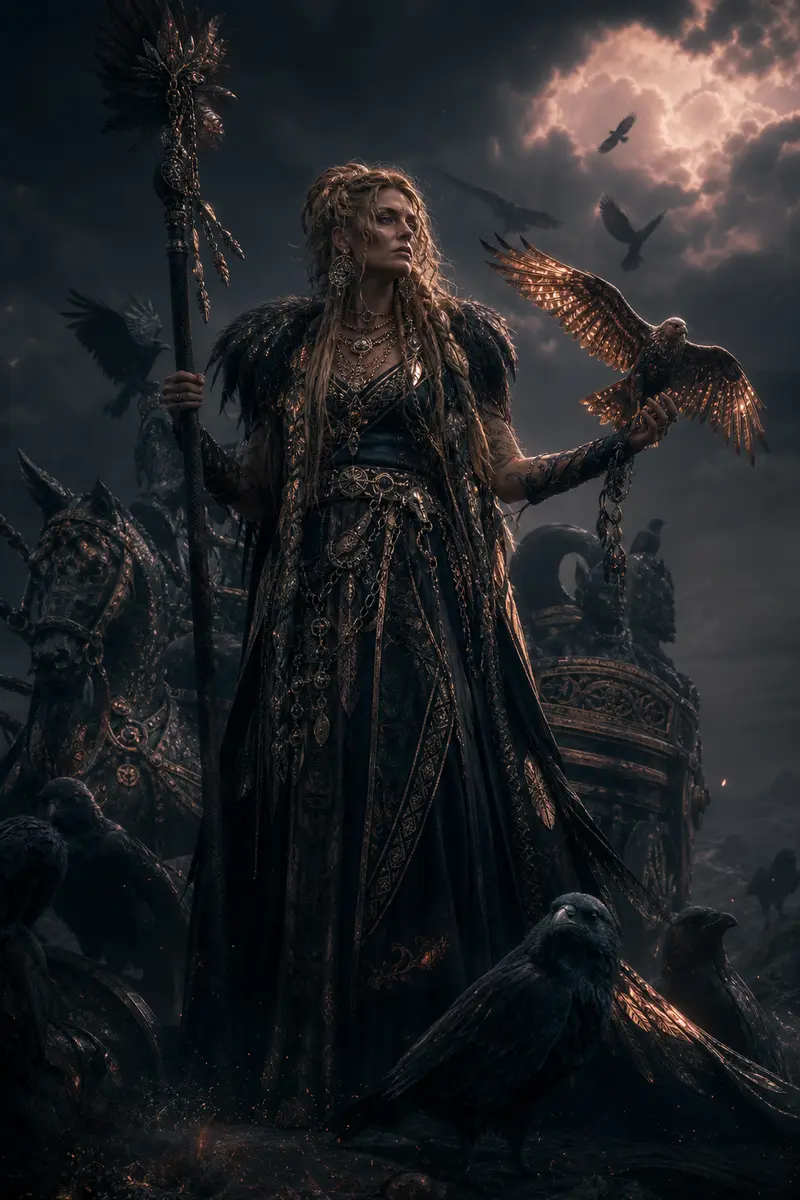
Valkyries: what Odin's choosers of the slain actually chose
What a Valkyrie really was, how they picked who died in battle, where the chosen went, and why the wings and horned helmets are wrong.
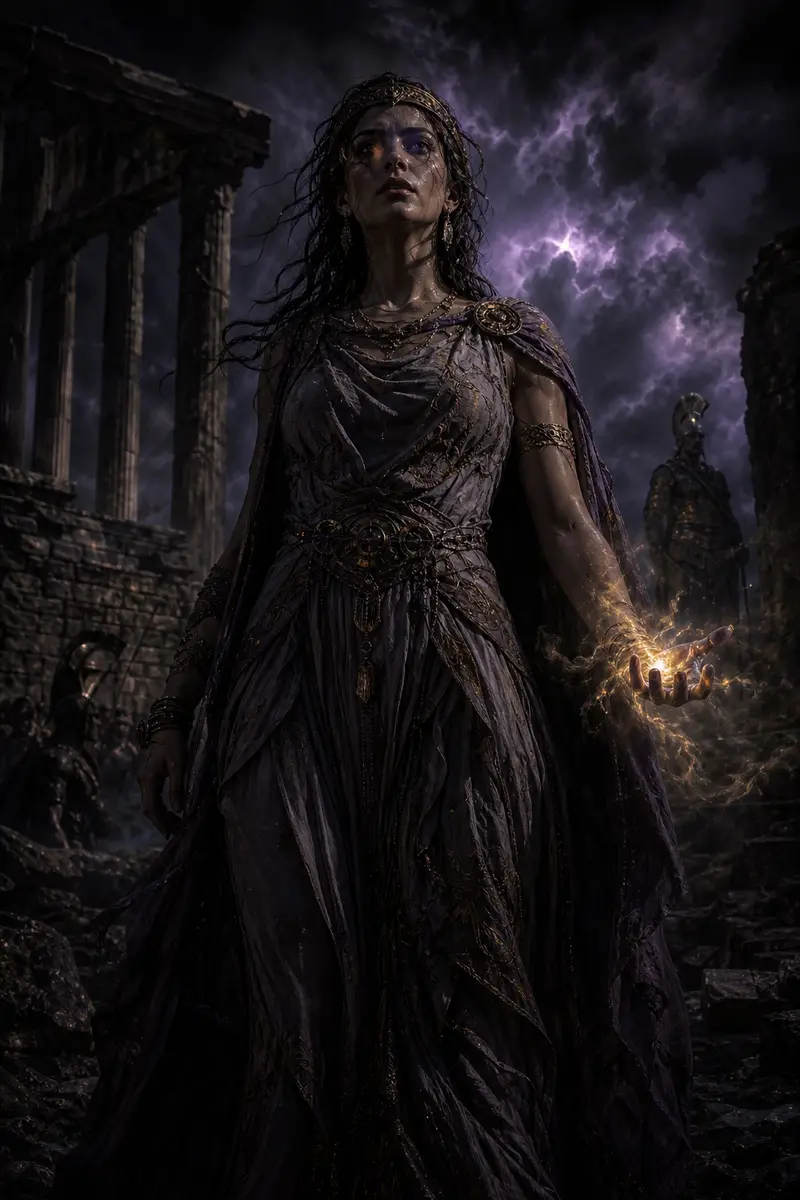
Cassandra of Troy: the prophetess nobody believed
Why Apollo cursed Cassandra, how she predicted the Trojan Horse and was ignored, and why her name still describes people who warn in vain.
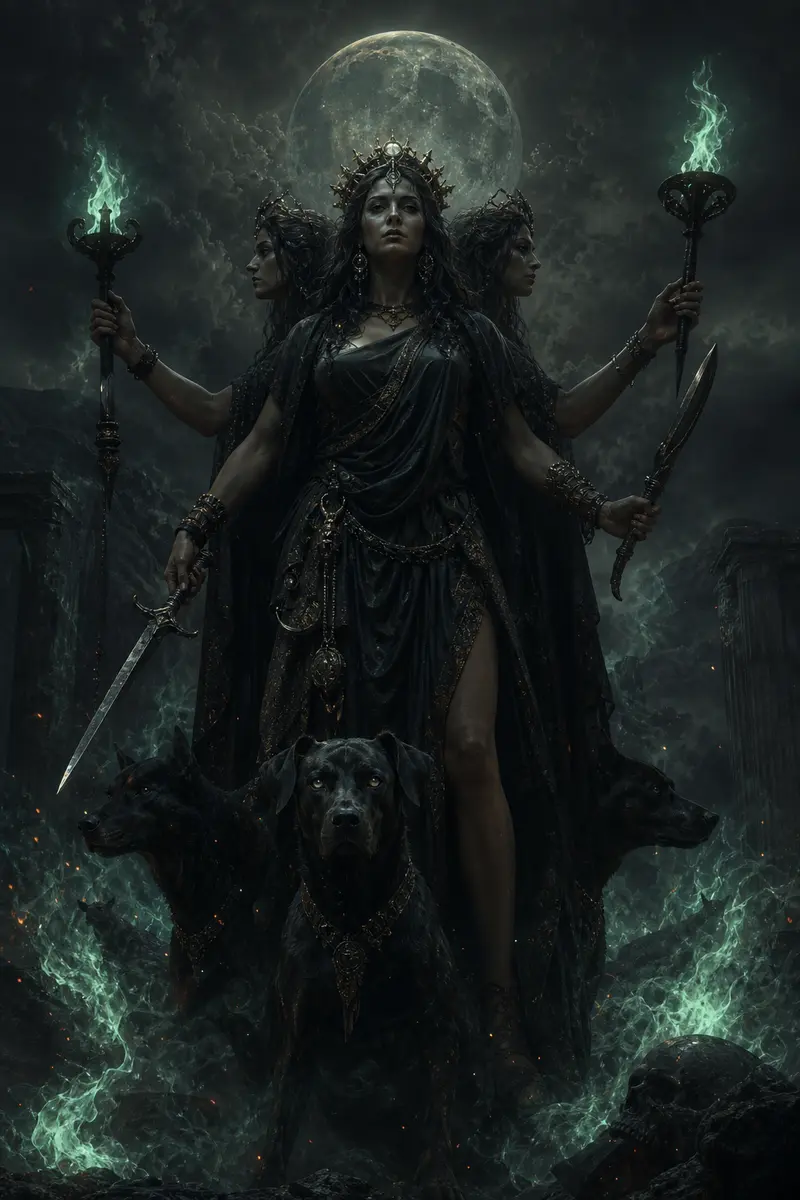
Hecate: the goddess of witchcraft the Olympians never dared to cross
Who Hecate really is, why she carries two torches, what her dogs mean, and how the goddess of crossroads outranked her own pantheon.
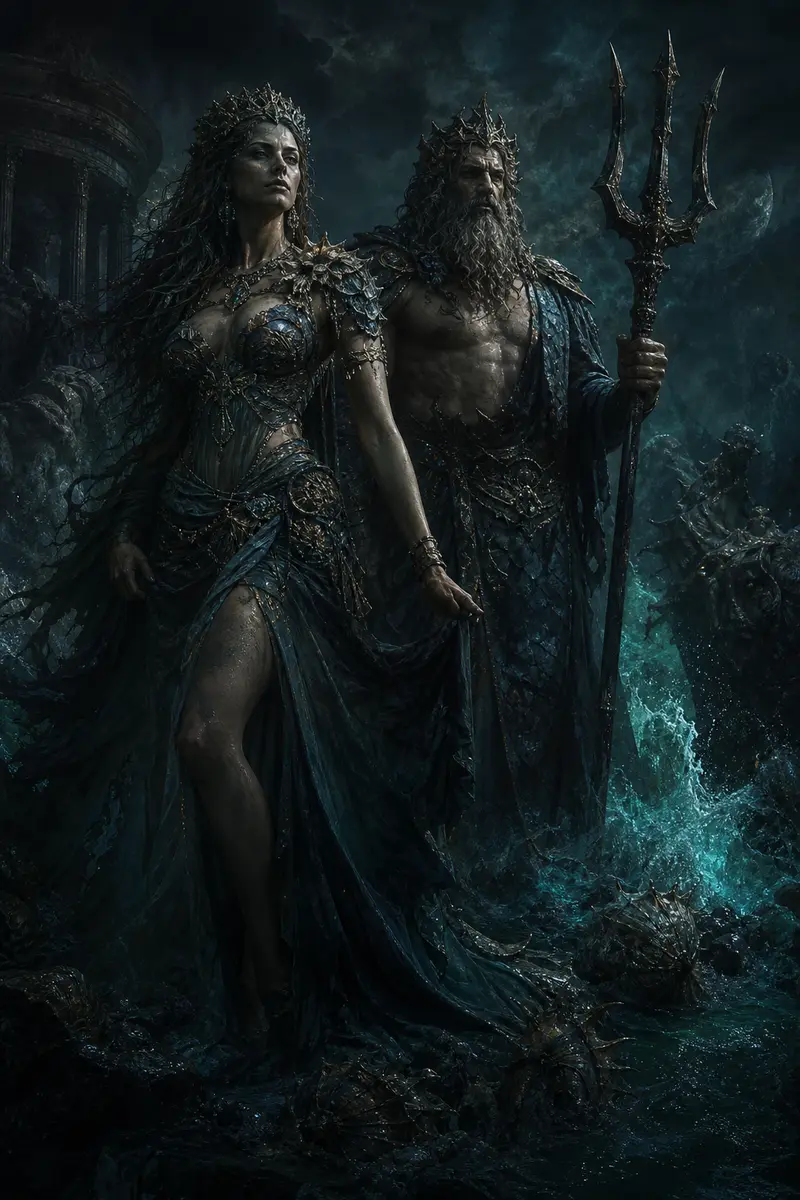
Who is Poseidon's wife? Amphitrite, the reluctant queen of the sea
Who Poseidon married, why Amphitrite fled from him, the dolphin that changed her mind, and the sea queen's real power.
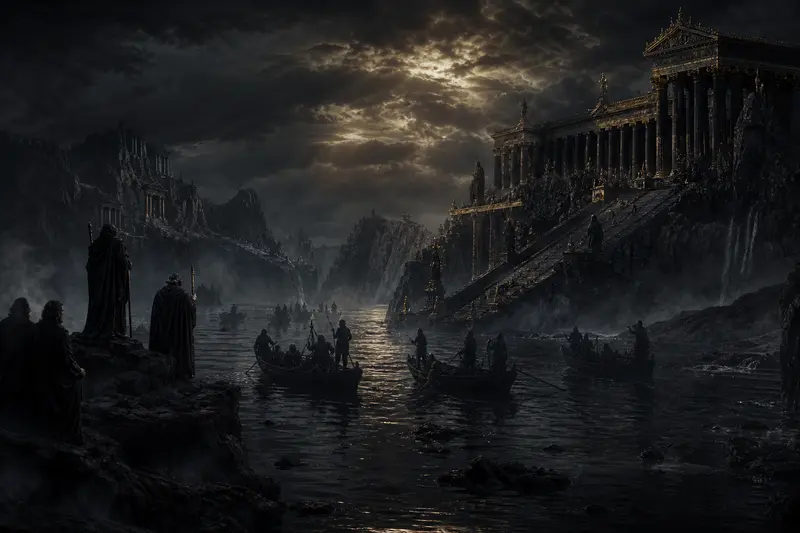
Charon, the ferryman of the dead: the coin, the crossing and the boat with no name
Who Charon is, why the dead carried a coin under the tongue, what happened to those who could not pay, and the truth about his boat's name.
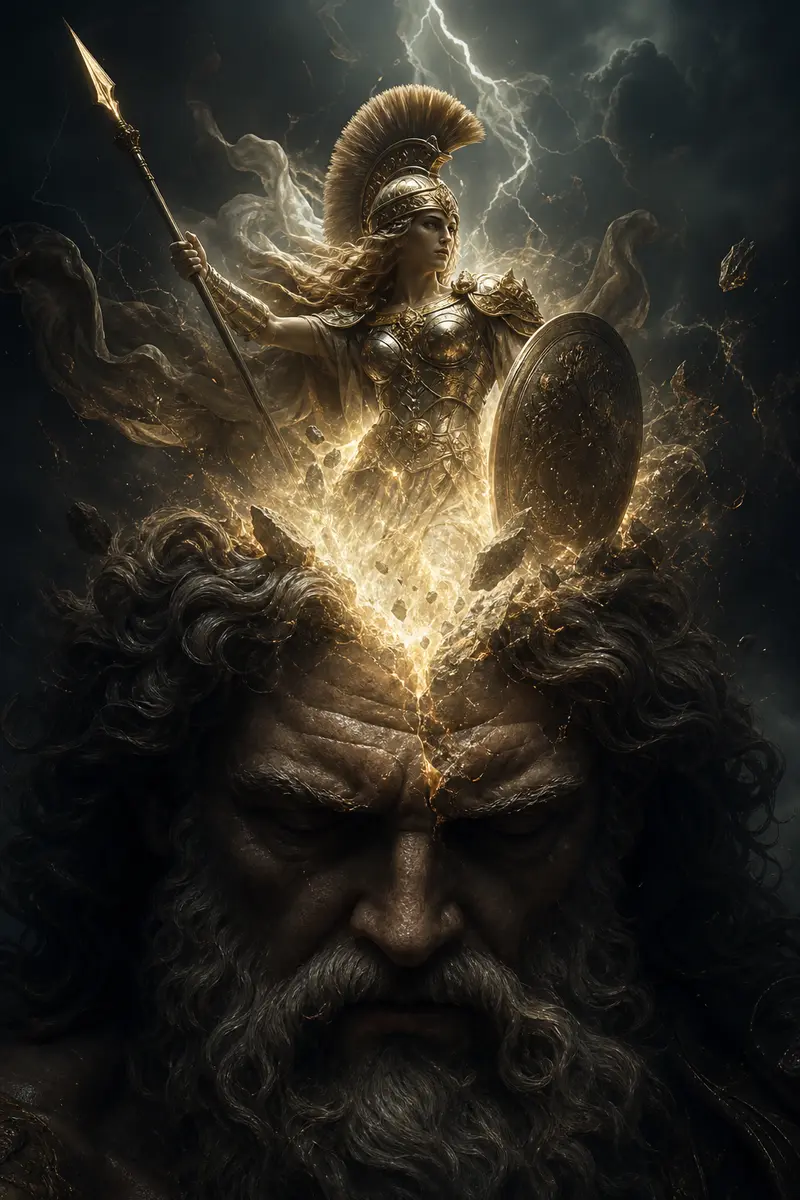
Metis: the first wife of Zeus, and why he swallowed her
Who the goddess Metis was, the prophecy that made Zeus swallow his pregnant wife, and how Athena was born from his head as a result.
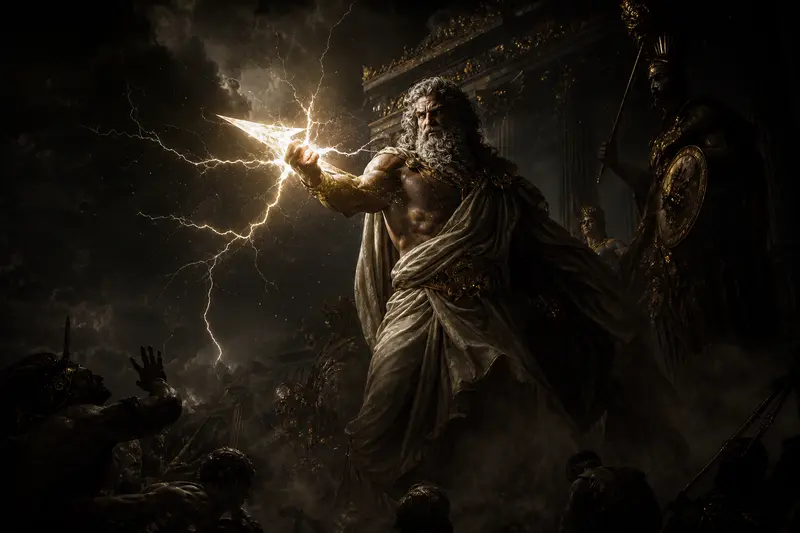
The 10 most powerful mythical objects (and what they cost their owners)
The definitive list of legendary objects from Greek, Norse and Egyptian mythology: weapons, bows, relics, what each one does and the hidden price of using it.
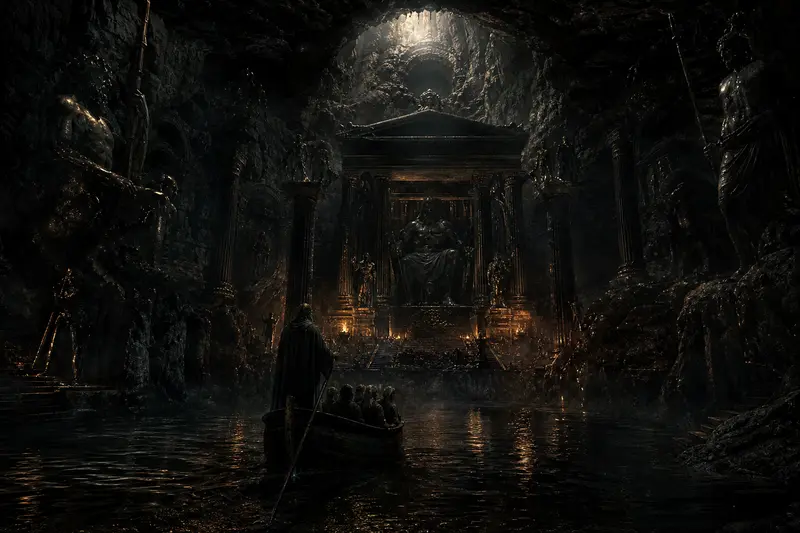
Thanatos, the actual god of death (no, it's not Hades)
Who Thanatos is, why he is not Hades, his twin brother Sleep, and the one man who put Death in chains.
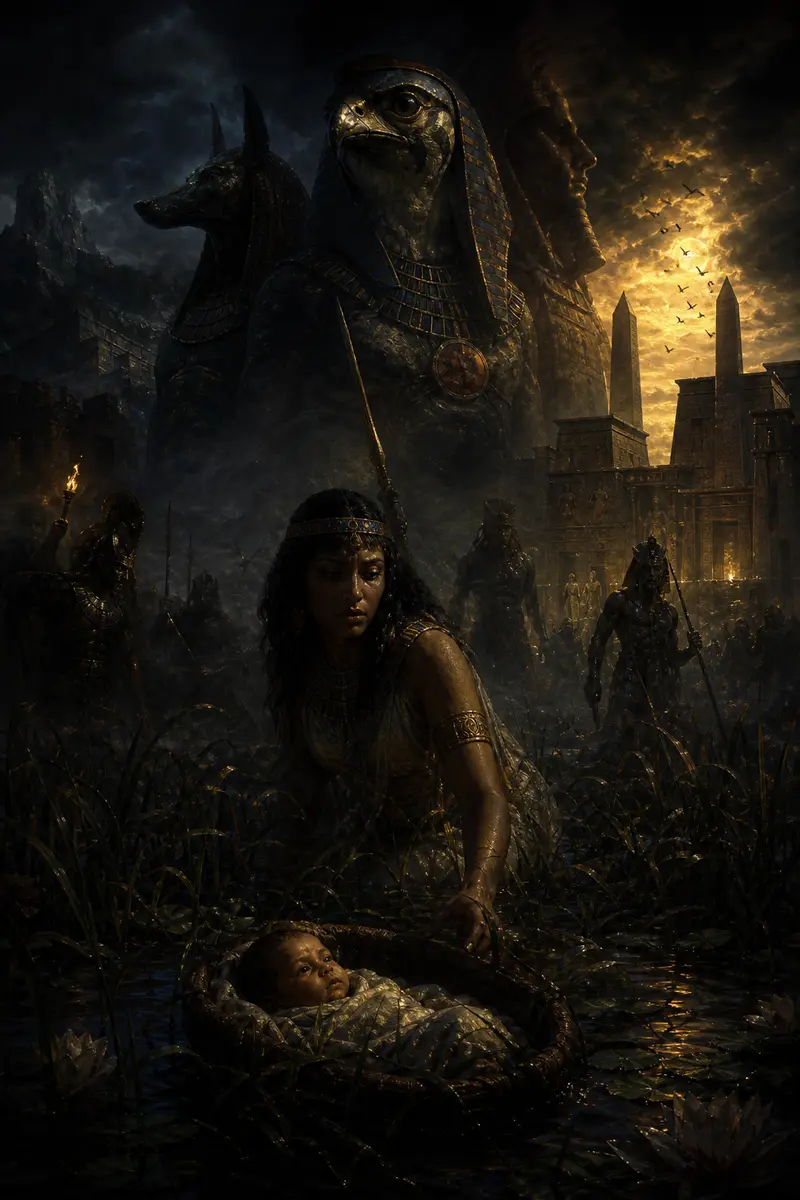
Egyptian gods: the list of the 12 essential deities and what each one rules
The main gods of ancient Egypt in one table: Ra, Osiris, Isis, Horus, Anubis and more, with their animal heads, domains and the two myths that organize everything.
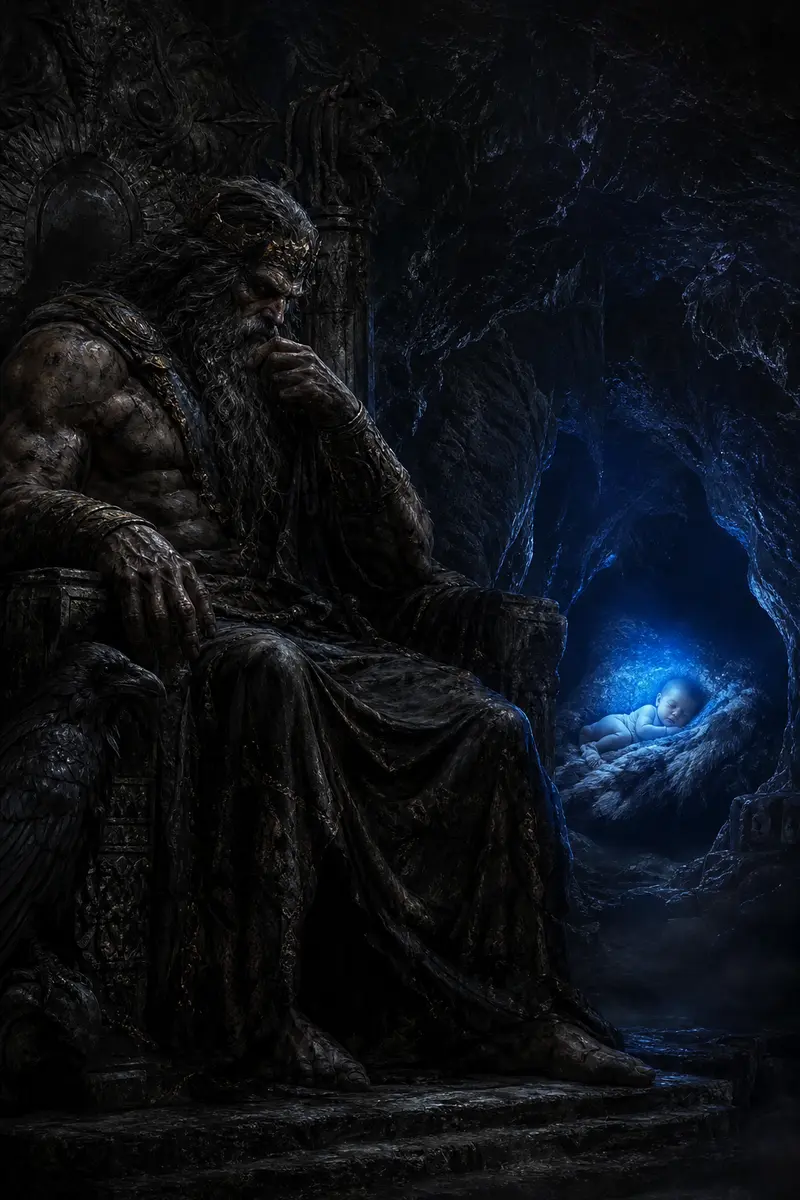
The Greek gods family tree, explained generation by generation
From Chaos to the Olympians in four generations: who descends from whom, the three dynasties, and the shortcut for memorizing the whole tree.
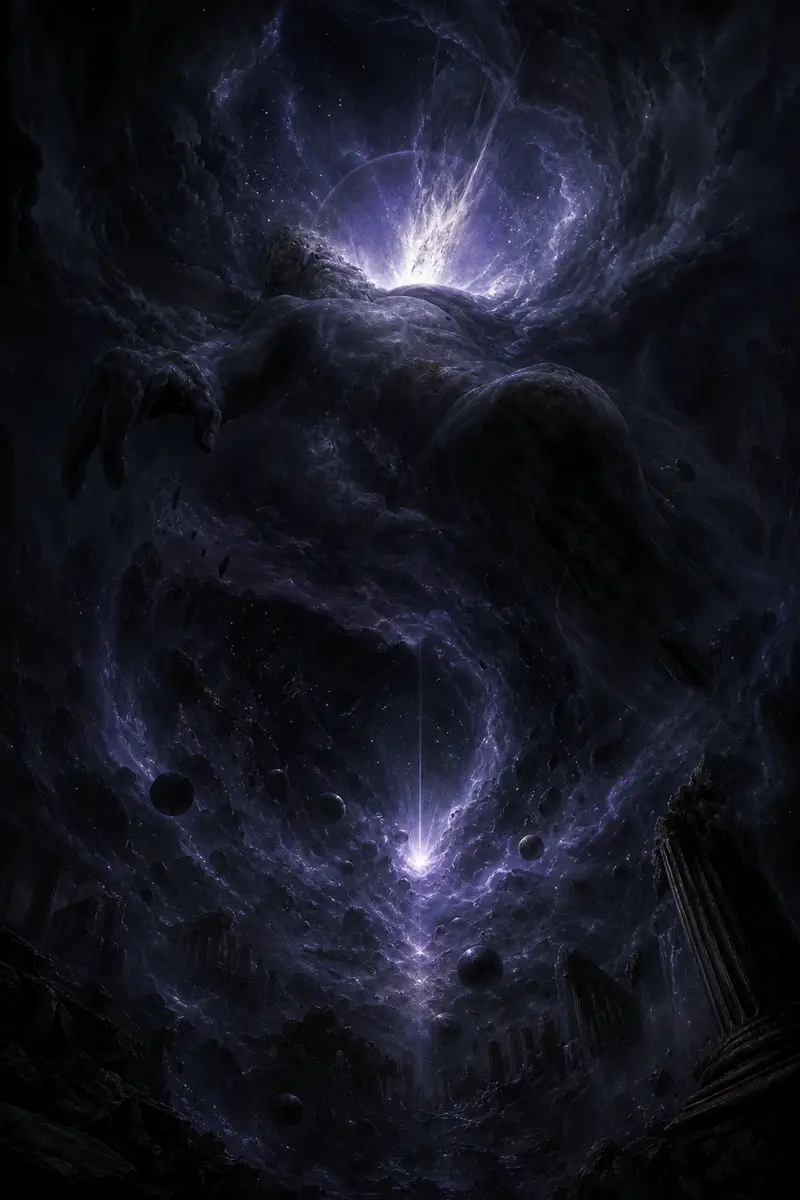
Greek mythology summary: the study guide that fits on one page
The whole of Greek mythology in order: creation, Titans, Olympians, heroes and the Trojan War, with the five myths every exam asks about and a timeline table.
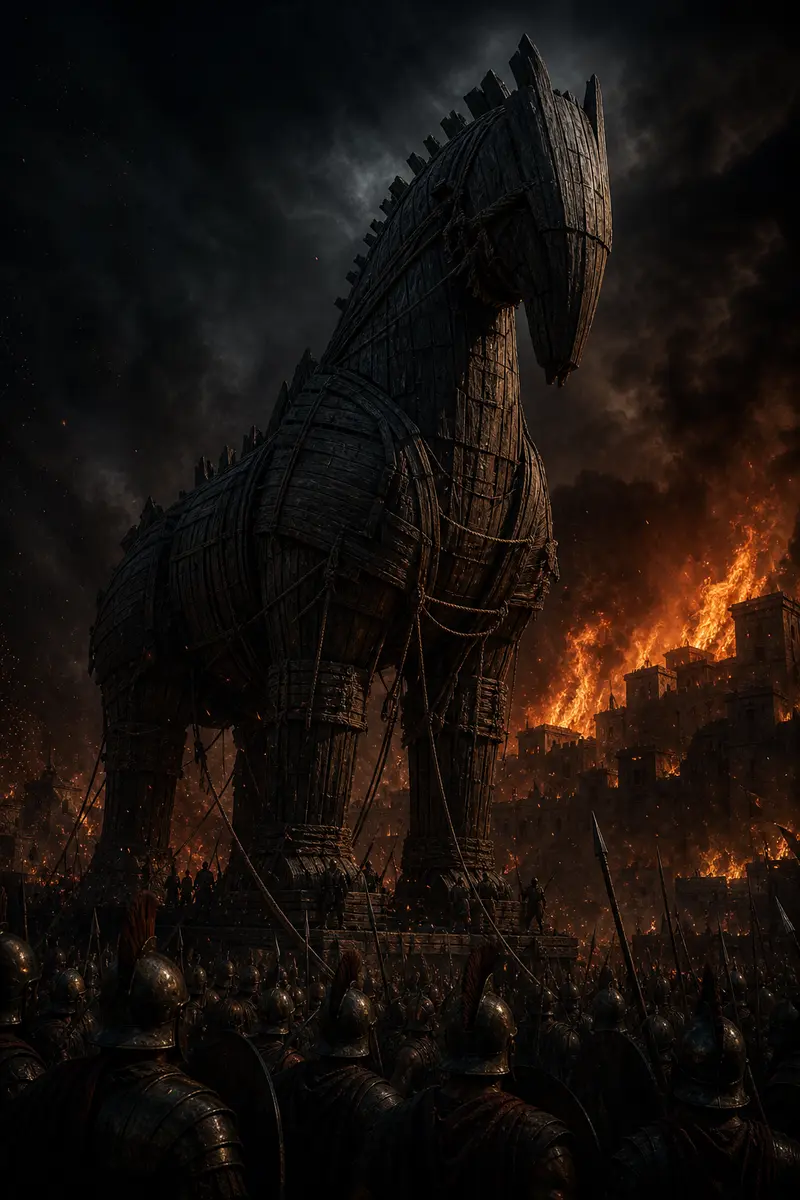
Greek vs Roman gods: the complete equivalence table
Every major Greek god and its Roman name side by side, the differences that go beyond the name, and how to tell instantly which tradition a text belongs to.
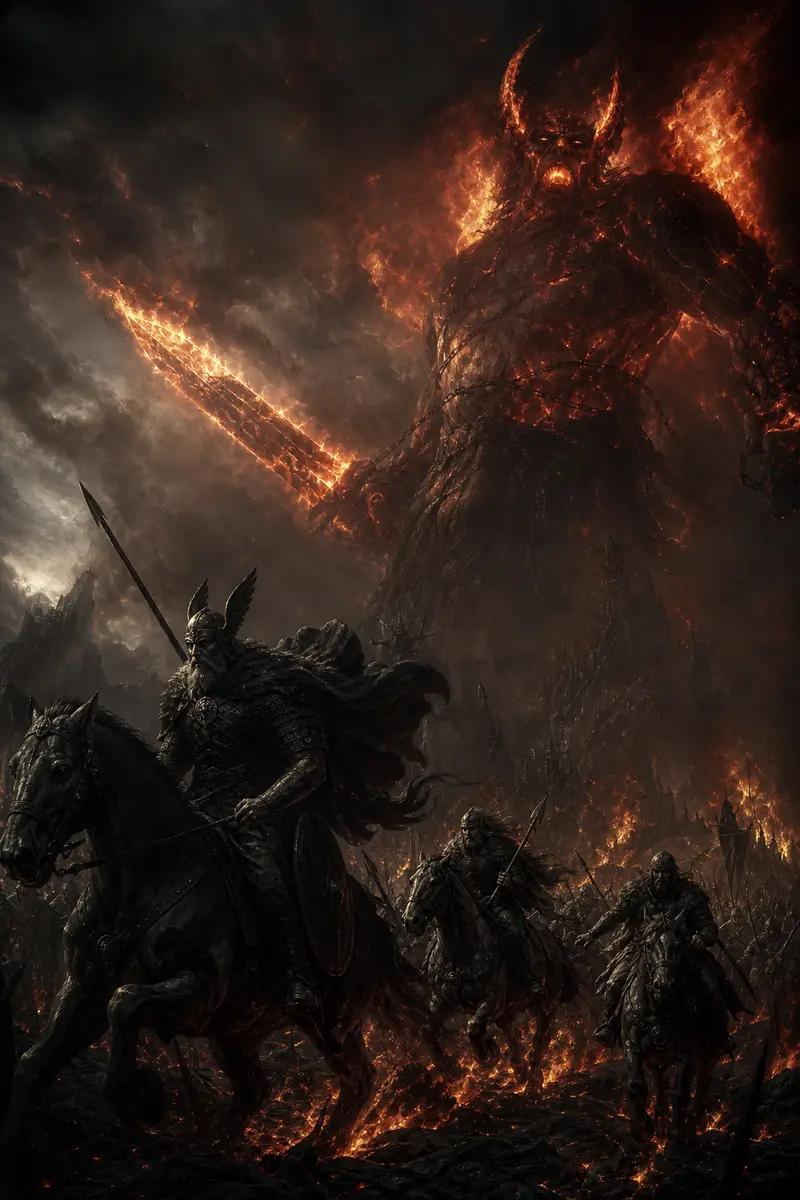
Norse mythology summary: gods, nine worlds and Ragnarok on one page
The essentials of Norse mythology for studying: the main gods table, the nine worlds, how the myth is structured from creation to Ragnarok.

The 12 Olympian Gods: the complete list with domains, symbols and Roman names
Who the twelve Olympians are, what each god rules, their symbols and Roman equivalents, and the answer to the classic exam question: Hestia or Dionysus?
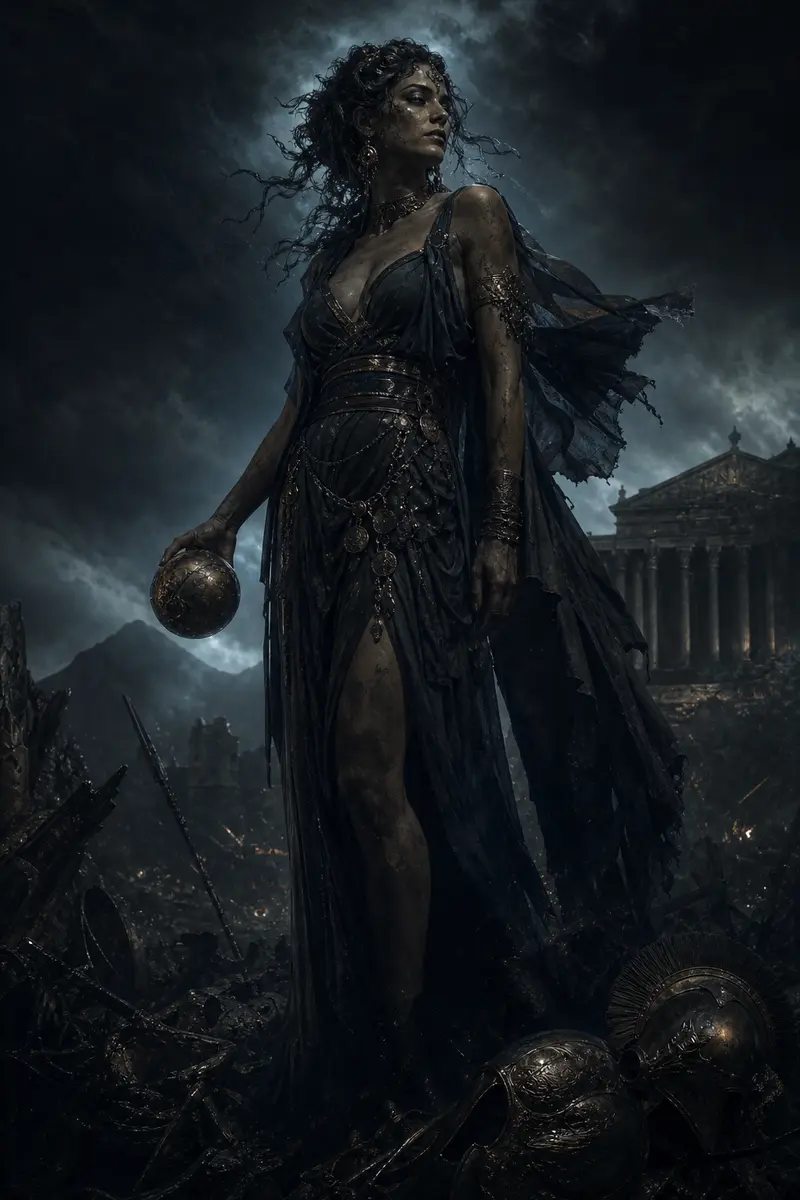
Eris, goddess of discord: the golden apple that started the Trojan War
Who Eris is, what the apple of discord means, her terrifying children, Hesiod's two kinds of strife, and why a dwarf planet carries her name.

Leda and the Swan: the myth behind Helen of Troy's egg
Who Leda was, why Zeus became a swan, which child hatched from which egg, and how a single night in Sparta hatched the Trojan War.
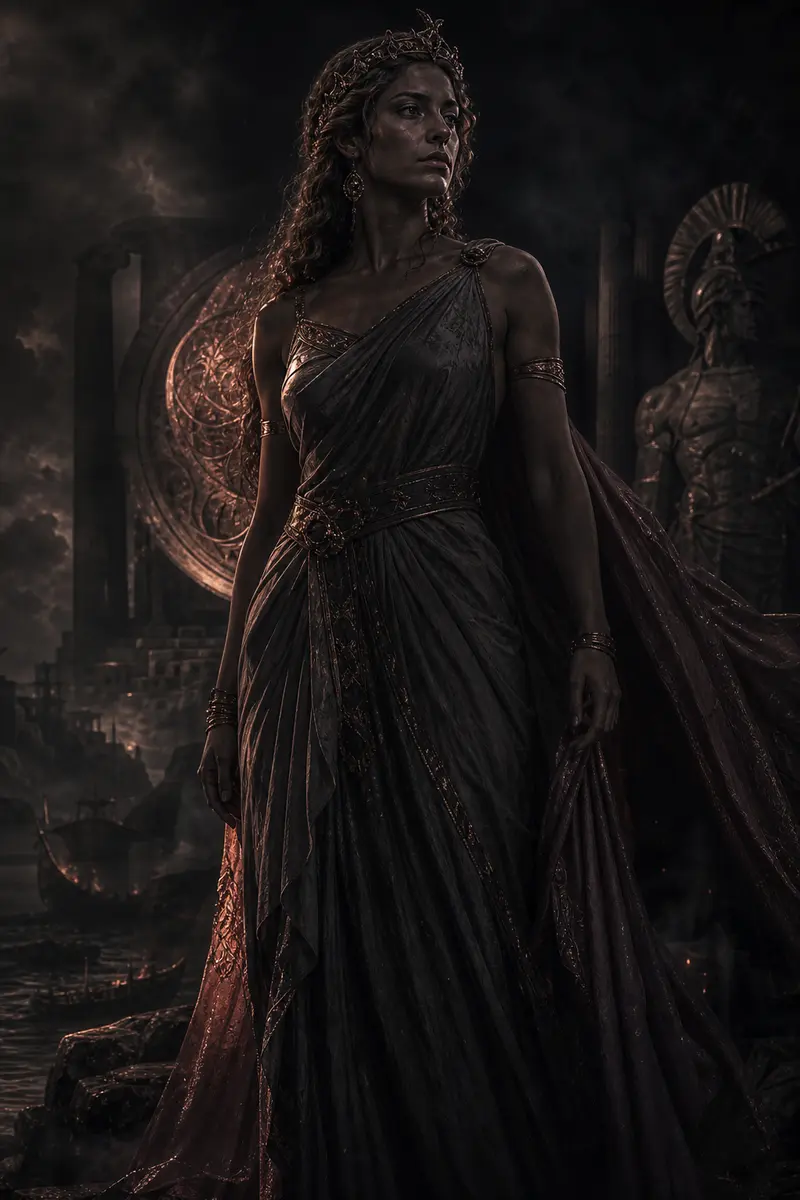
Helen of Troy: The Woman a City Burned For
Who Helen was (daughter of Zeus and Leda, wife of Menelaus, cause of the Trojan War), whether she was abducted or eloped, and what became of her when the city fell.
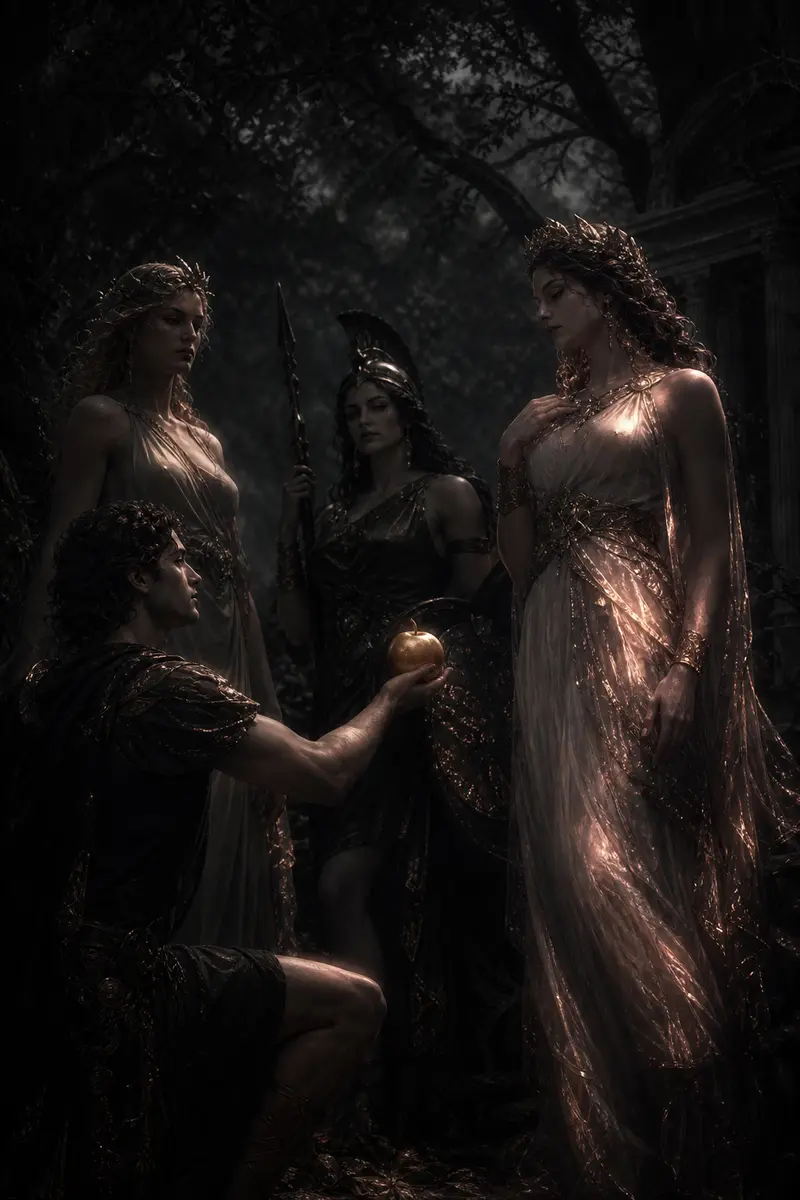
The Judgement of Paris: The Apple That Started the Trojan War
What each goddess (Hera, Athena and Aphrodite) offered prince Paris, why he chose the way he did, and how one uninvited golden apple ended up burning a city.
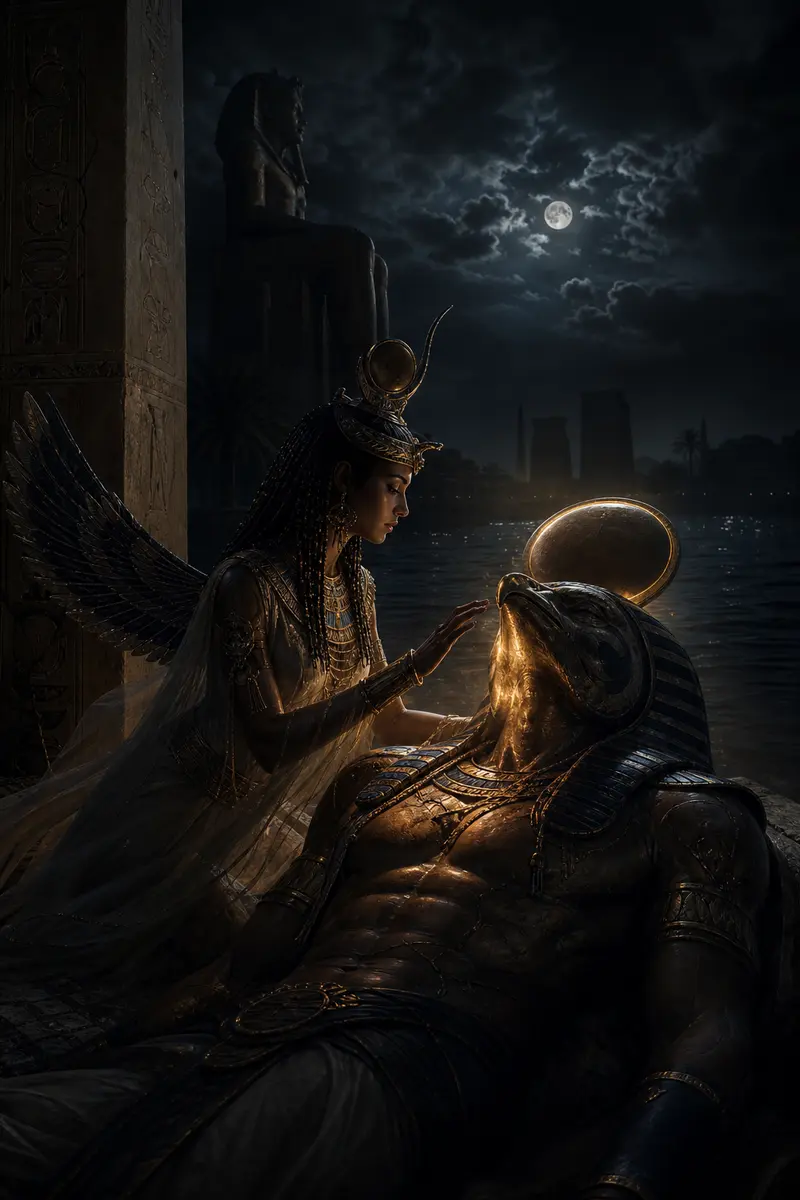
The Secret Name of Ra: The Myth Where Isis Steals the Sun's Power
Why Ra had a secret name, how Isis forced him to reveal it with a serpent made from his own spittle, and why in Egypt knowing a true name meant absolute power.
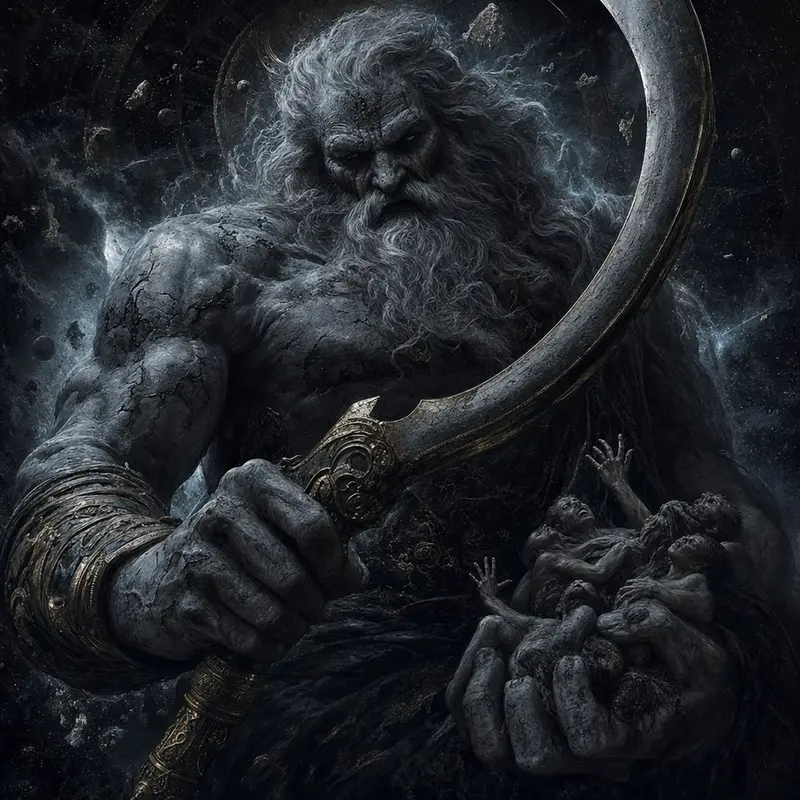
Cronus: The Titan Who Ate His Children (and Zeus's Father)
Who Cronus is, why he swallowed his own children, in what order he ate them, and why he is NOT the god of time, that's a different figure with an almost identical name.
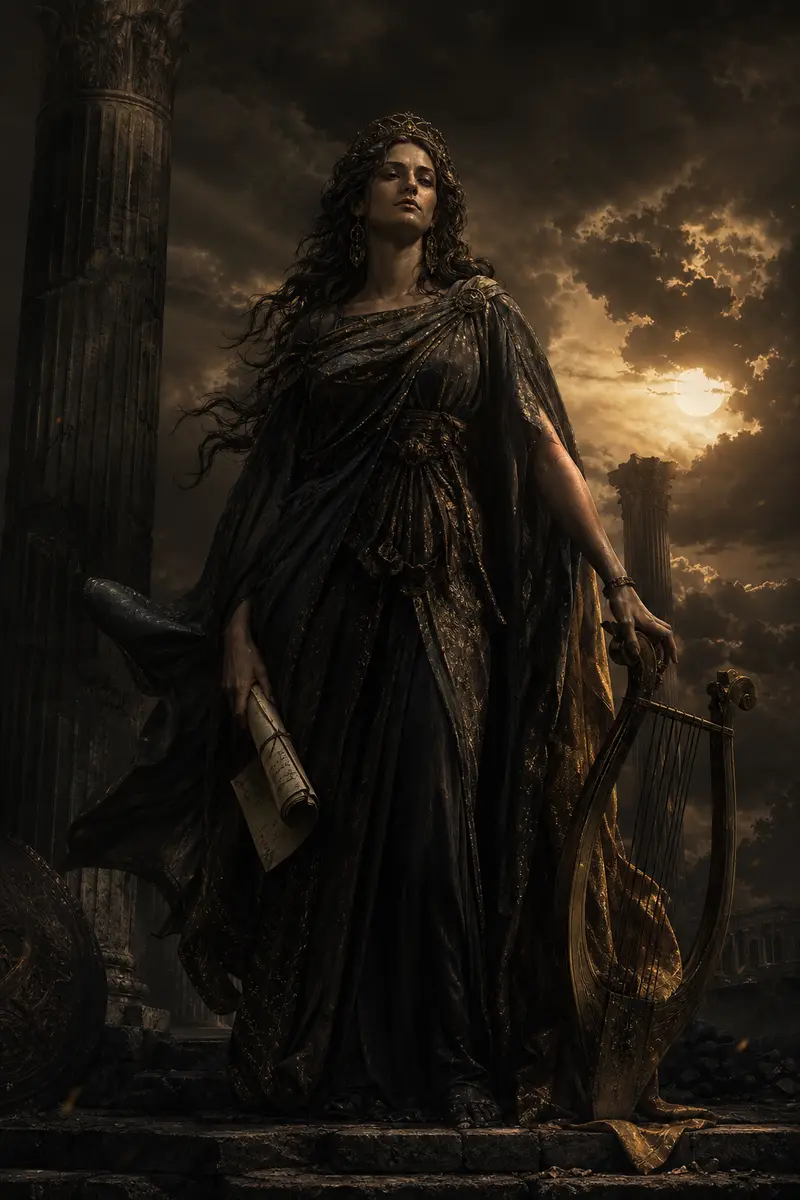
Calliope: What Her Name Means and Who the Nine Muses Are
Calliope is the Greek Muse of epic poetry and the mother of Orpheus; her name means "beautiful voice". Meet the other eight Muses, and the steam organ.
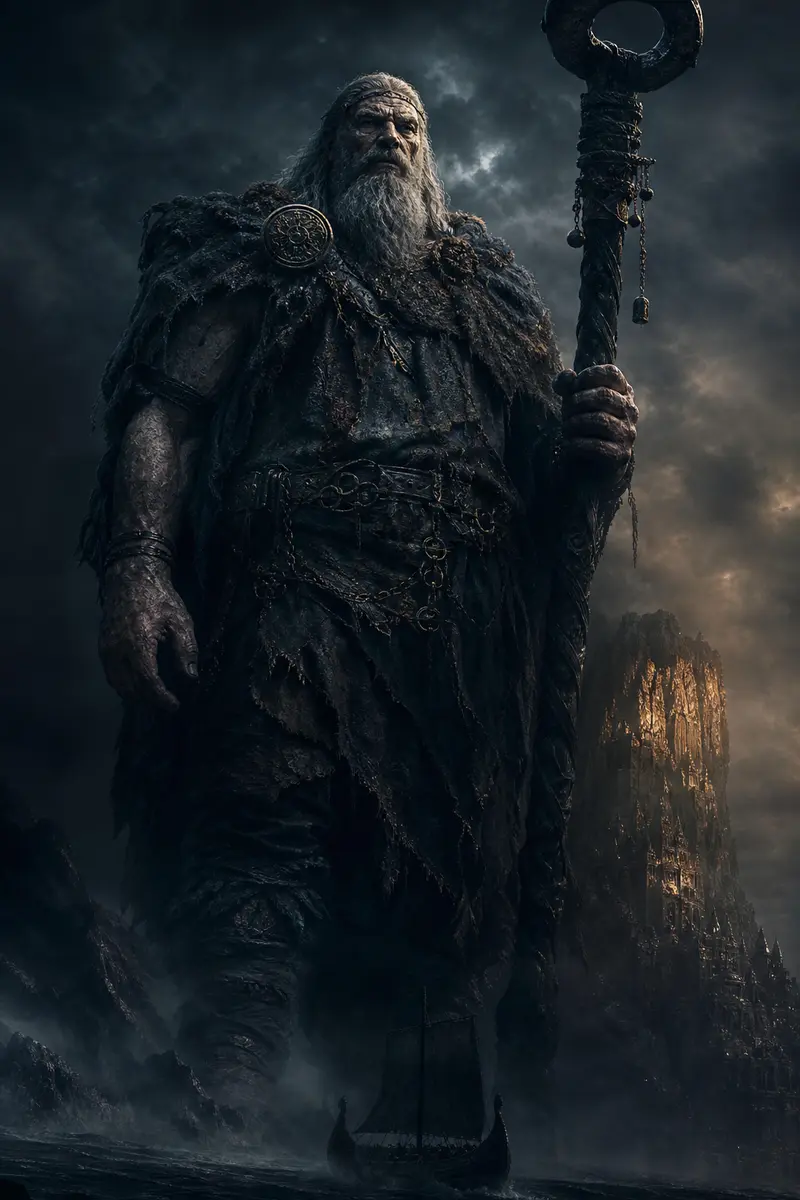
Laufey: Loki's Mother in Norse Mythology
Who Laufey really is in the myths: the giantess whose name Loki carries, why that was almost scandalous in Norse culture, and what Marvel flipped completely.
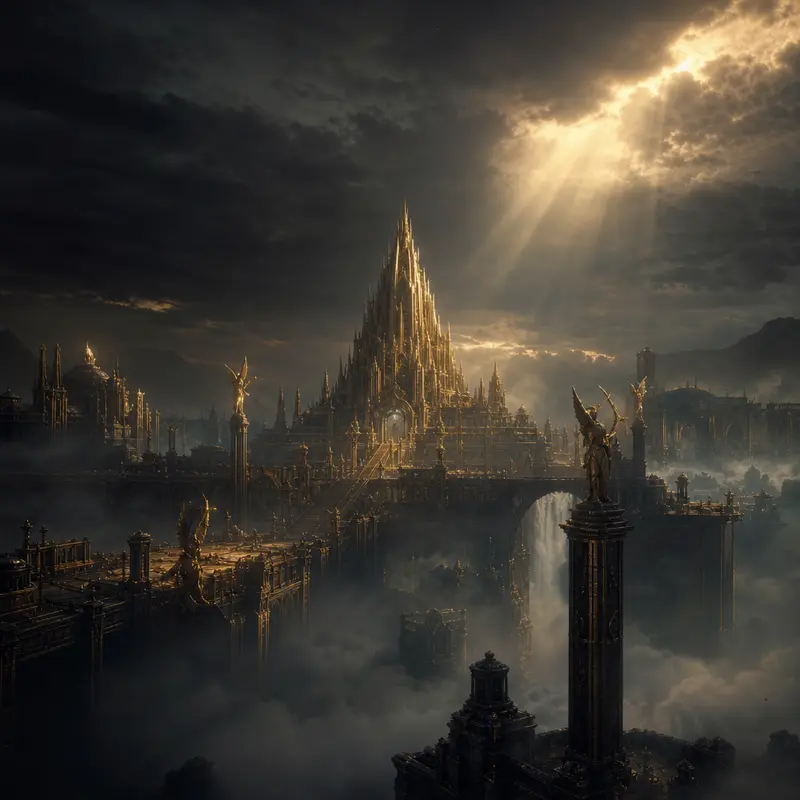
The 9 Realms of Norse Mythology, Explained One by One
Asgard, Midgard, Jotunheim and the other six worlds of Yggdrasil, who lives in each, how they connect, and what happens to them at Ragnarök.
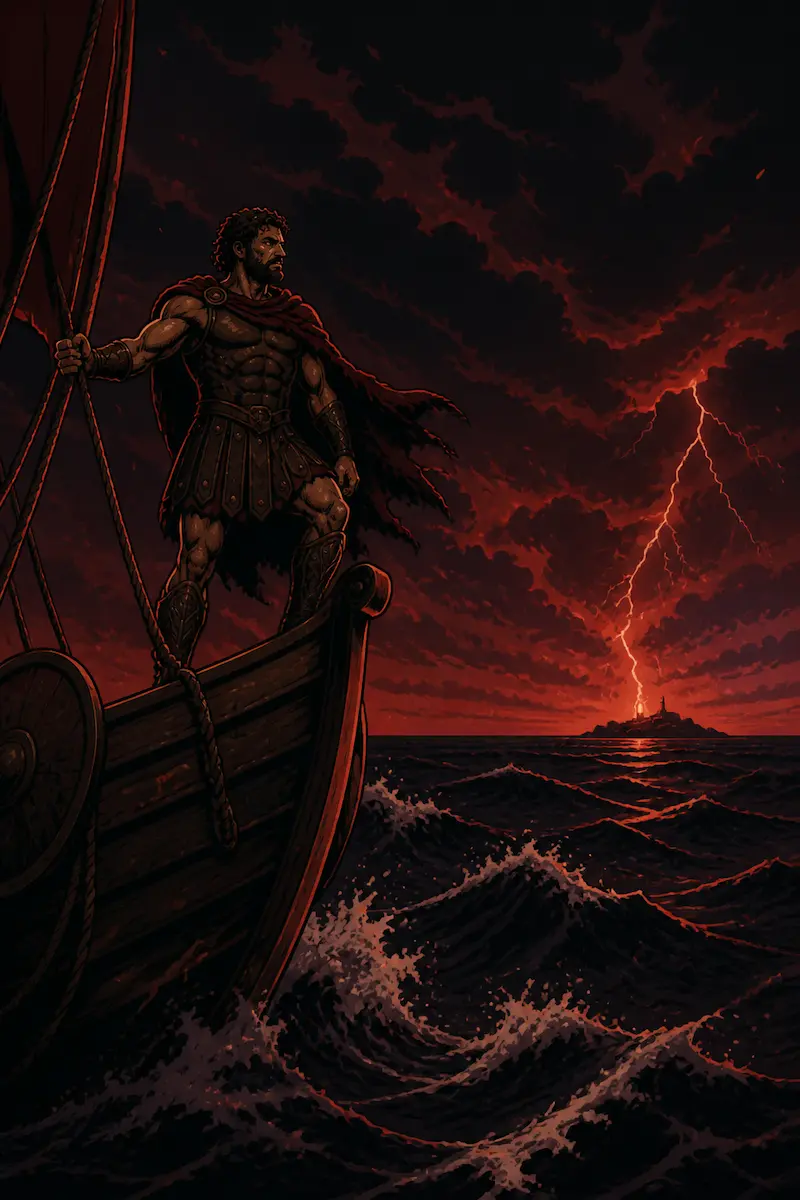
Nolan's The Odyssey vs. the Real Myth: Who's Who and What Changed
The full cast of Christopher Nolan's film and who each character is in Homer's poem, plus what the movie changes, adds (Sinon) and invents.
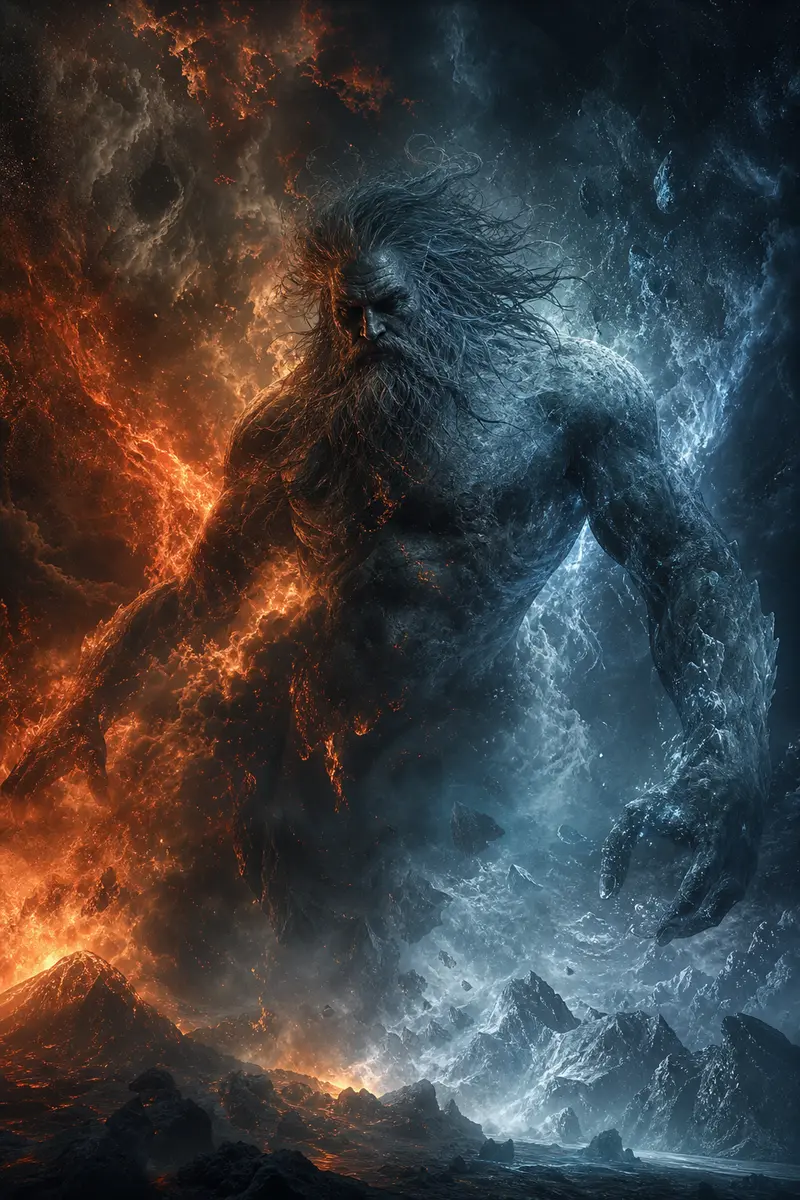
What Is Mythology? Definition, Examples and Why It Still Matters
What exactly a myth is, how it differs from a legend or a folktale, and why the stories of Zeus, Odin and Ra still explain us to ourselves 3,000 years later.
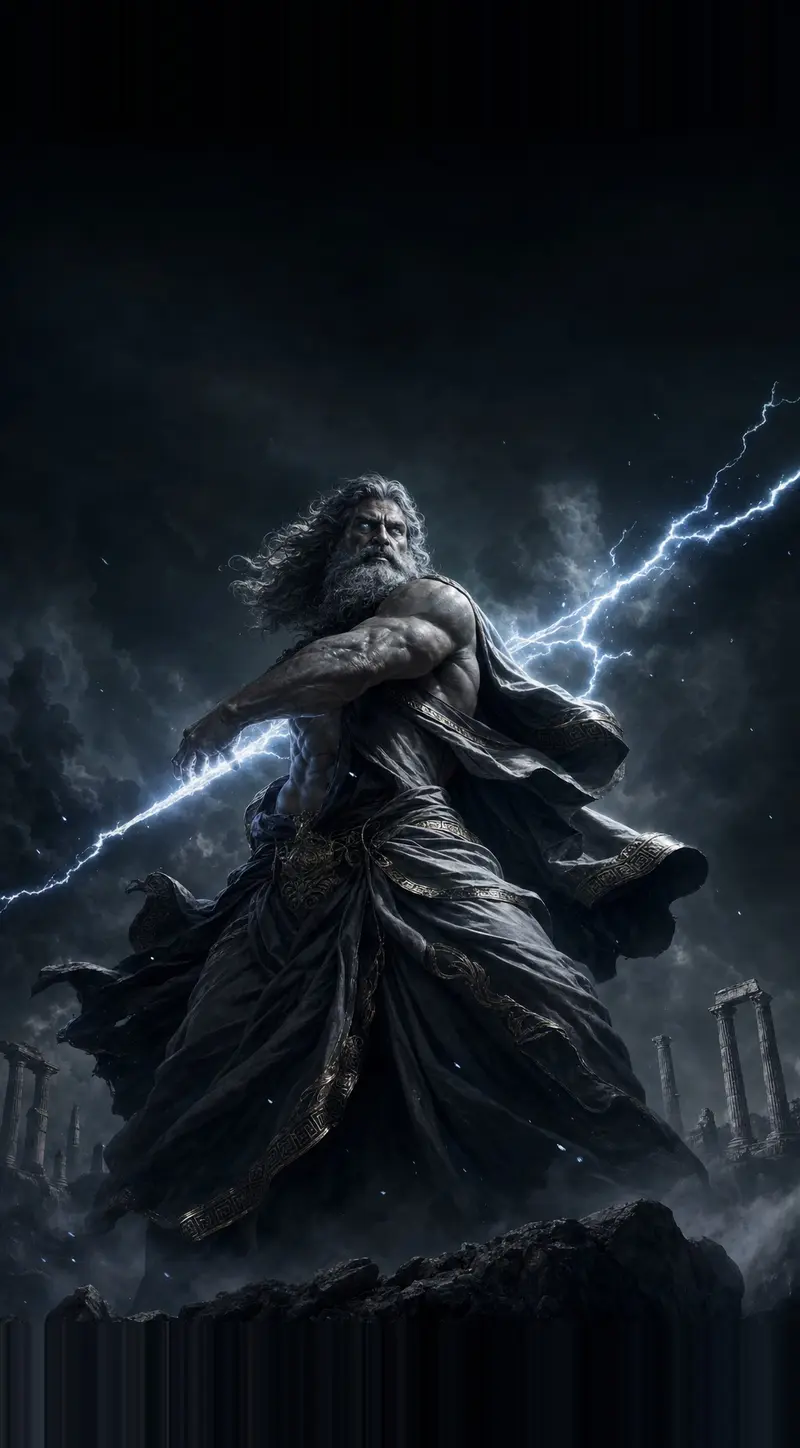
Zeus vs Thor vs Ra: Who Is the Most Powerful God?
We compare the king of Olympus, the Norse god of thunder and Egypt's living sun: domains, weapons, weaknesses, and who would win according to their own myths.
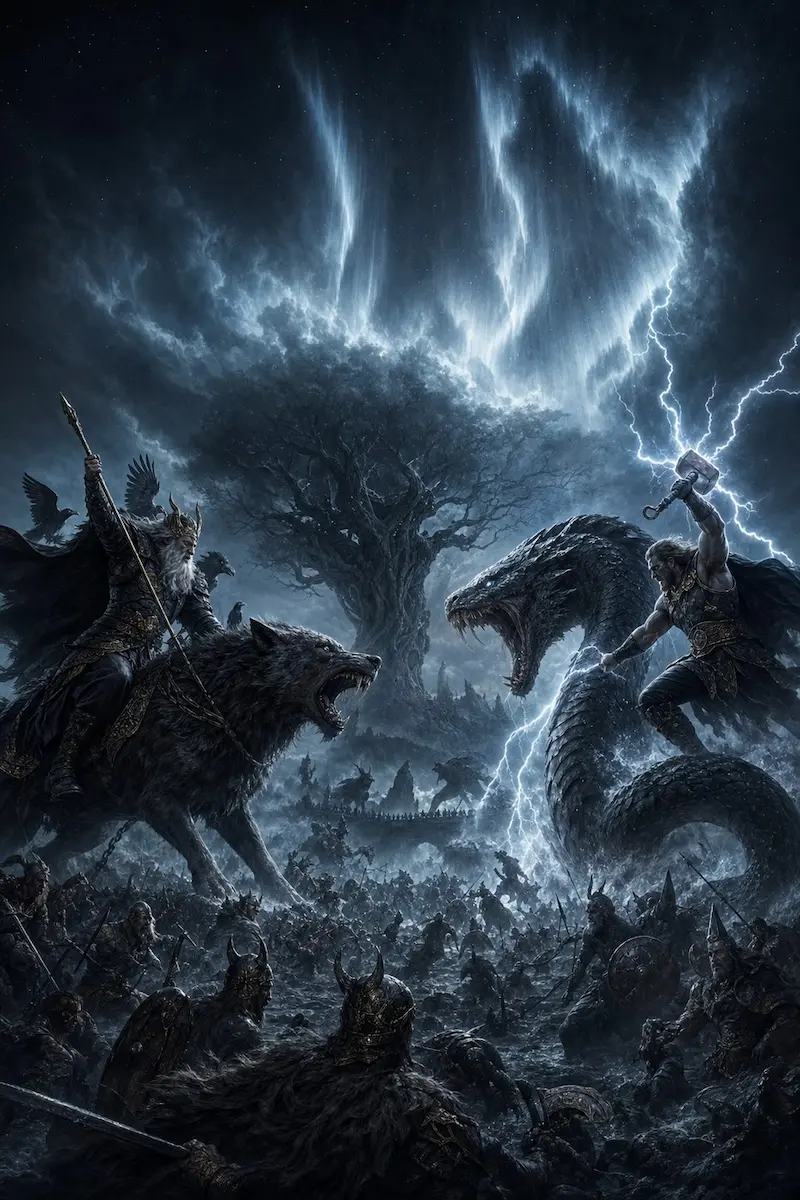
Ragnarök Explained: What Happens, Who Dies, and What Comes After
The Norse end of the world, in order: the signs, the final battle, the full list of gods who die, and the detail almost everyone forgets, what comes after.
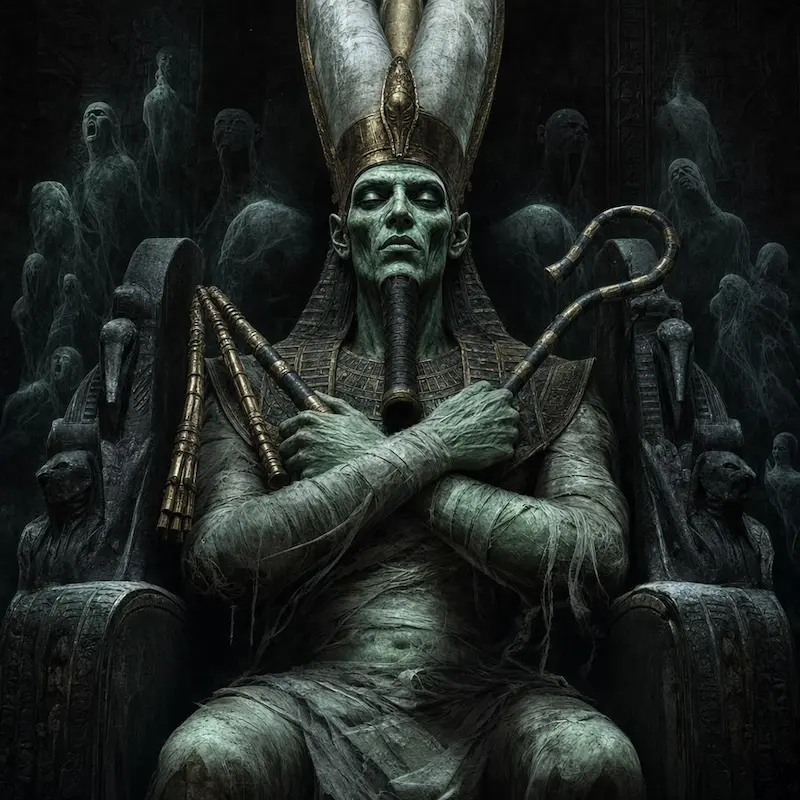
The Osiris Myth, Explained: Death, Dismemberment and Resurrection
Egyptian mythology's central story made clear: why Set killed his brother, how Isis rebuilt him piece by piece, and why Osiris rules the dead instead of returning to the living.